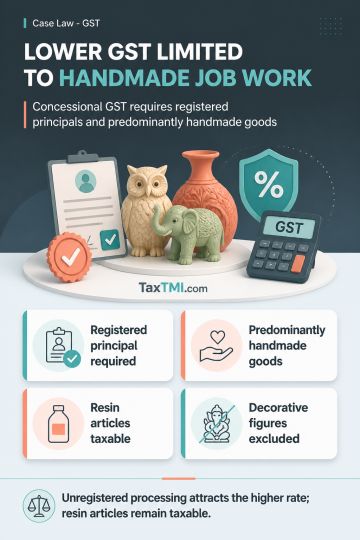
Handicraft job work receives concessional GST only for registered principals and predominantly handmade goods; commercial resin articles remain taxabl...
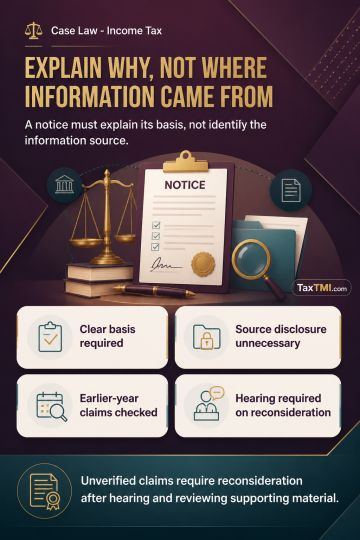
Reassessment disclosure requirements permit stated reasons without revealing information sources, but prior-taxation claims require full examination b...
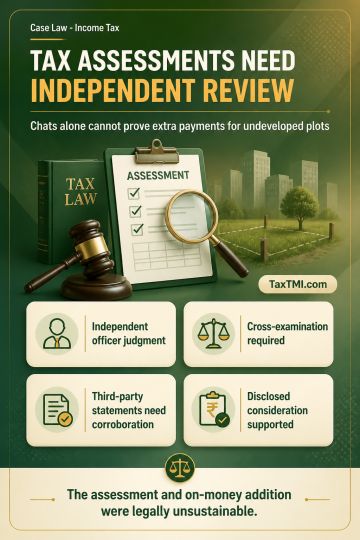
Independent assessment discretion and corroborated electronic evidence determine validity of on-money additions and undisclosed-consideration assessme...
The dominant issue was whether the statutory appeal was filed within the limitation period prescribed under Section 128(1) of the Customs Act, 1962, and within the further condonable period available to the appellate authority. The tribunal held that the appellant admittedly became aware of the order on 16.08.2021, yet filed the appeal well beyond the maximum period that could be condoned, and the Commissioner (Appeals) therefore lacked jurisdiction to entertain it, consistent with the principle that delay beyond the statutorily condonable limit cannot be excused. Consequently, the appeal was dismissed as time-barred. - CESTAT
The dominant issue was whether the statutory appeal was filed within the limitation period prescribed under Section 128(1) of the Customs Act, 1962, and within the further condonable period available to the appellate authority. The tribunal held that the appellant admittedly became aware of the order on 16.08.2021, yet filed the appeal well beyond the maximum period that could be condoned, and the Commissioner (Appeals) therefore lacked jurisdiction to entertain it, consistent with the principle that delay beyond the statutorily condonable limit cannot be excused. Consequently, the appeal was dismissed as time-barred. - CESTAT
Note: It is a system-generated summary and is for quick reference only.
 TaxTMI
  TaxTMI
 of 4828







 Join Channel


