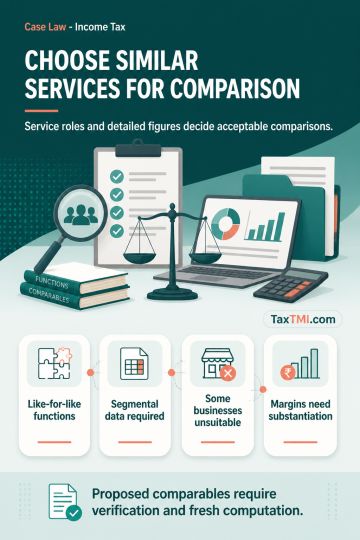
Functional comparability governs selection of support-service and IT-enabled service comparables, with verification required for unresolved data and m...
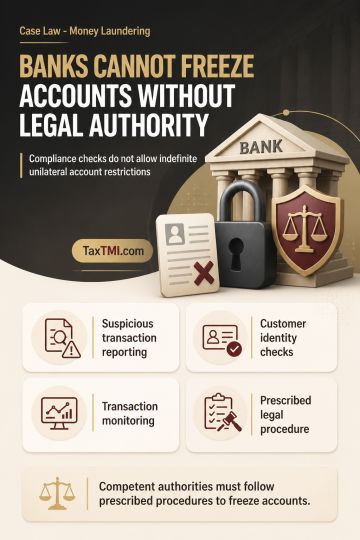
Bank account freezing requires statutory authority; anti-money-laundering compliance and KYC monitoring do not permit unilateral indefinite restrictio...
The dominant issue was whether a director without shareholding or express company authorization had locus standi to sue for injunctions restraining others from exercising shareholder/director rights and to effectively litigate alleged corporate wrongs. The court held that a company is a distinct legal entity and any action for wrongs to the company must be instituted by the company itself or by a duly authorized person; the plaintiff's only privity was a loan agreement already repaid and no relief was founded on it. As the suit impermissibly sought interference in internal corporate governance without authorization, the plaint disclosed no cause of action and was liable to rejection under Order VII Rule 11(a) CPC; the suit was dismissed. - HC
The dominant issue was whether a director without shareholding or express company authorization had locus standi to sue for injunctions restraining others from exercising shareholder/director rights and to effectively litigate alleged corporate wrongs. The court held that a company is a distinct legal entity and any action for wrongs to the company must be instituted by the company itself or by a duly authorized person; the plaintiff's only privity was a loan agreement already repaid and no relief was founded on it. As the suit impermissibly sought interference in internal corporate governance without authorization, the plaint disclosed no cause of action and was liable to rejection under Order VII Rule 11(a) CPC; the suit was dismissed. - HC
Note: It is a system-generated summary and is for quick reference only.
 TaxTMI
  TaxTMI
 of 4828



 Join Channel