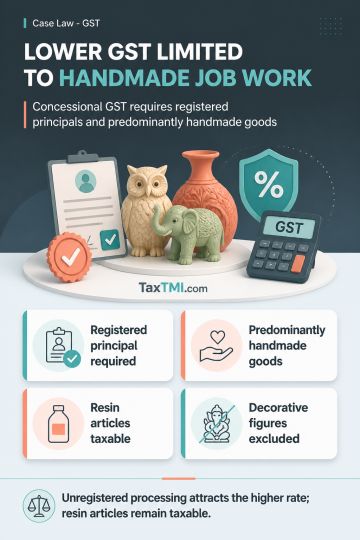
Handicraft job work receives concessional GST only for registered principals and predominantly handmade goods; commercial resin articles remain taxabl...
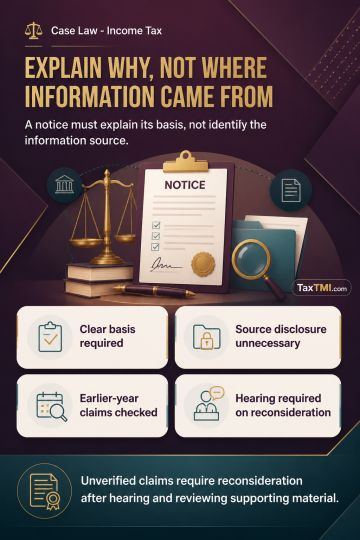
Reassessment disclosure requirements permit stated reasons without revealing information sources, but prior-taxation claims require full examination b...
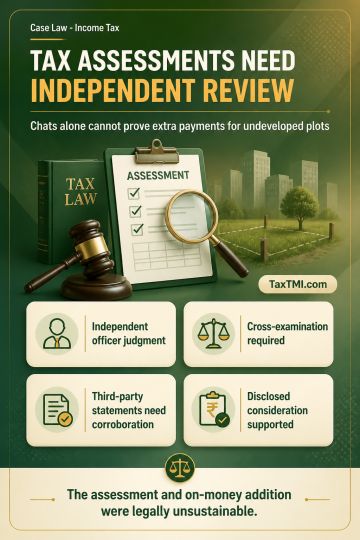
Independent assessment discretion and corroborated electronic evidence determine validity of on-money additions and undisclosed-consideration assessme...
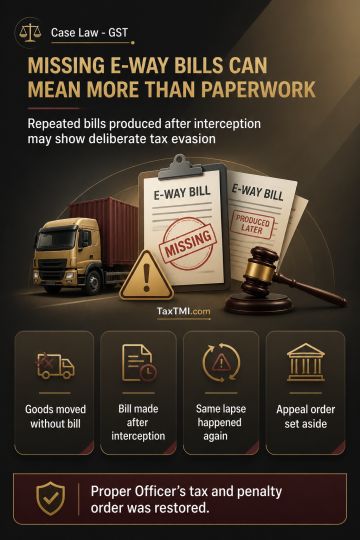
Writ jurisdiction against a penalty order under Section 129(1)(b) of the GST law was declined on the ground of efficacious alternative remedy under Section 107, since there was no breach of natural justice, no lack of jurisdiction, no vires challenge, and no established infringement of fundamental rights. The impugned order contained detailed factual findings, including doubts about the genuineness of documents and e-way bills, which required appellate fact-finding and could not be adjudicated on affidavits in writ proceedings; consequently, reliance on the 31 December 2018 circular to claim benefit under Section 129(1)(a) was not accepted. The taxpayer was relegated to statutory appeal, with directions to enable e-filing access. - HC
Writ jurisdiction against a penalty order under Section 129(1)(b) of the GST law was declined on the ground of efficacious alternative remedy under Section 107, since there was no breach of natural justice, no lack of jurisdiction, no vires challenge, and no established infringement of fundamental rights. The impugned order contained detailed factual findings, including doubts about the genuineness of documents and e-way bills, which required appellate fact-finding and could not be adjudicated on affidavits in writ proceedings; consequently, reliance on the 31 December 2018 circular to claim benefit under Section 129(1)(a) was not accepted. The taxpayer was relegated to statutory appeal, with directions to enable e-filing access. - HC
Note: It is a system-generated summary and is for quick reference only.
 TaxTMI
  TaxTMI
 of 4828







 Join Channel


