Handicraft job work receives concessional GST only for registered principals and predominantly handmade goods; commercial resin articles remain taxabl...
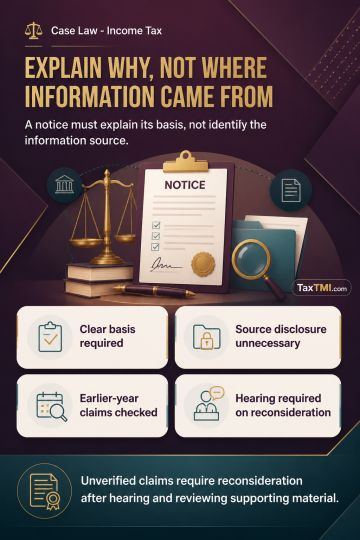
Reassessment disclosure requirements permit stated reasons without revealing information sources, but prior-taxation claims require full examination b...
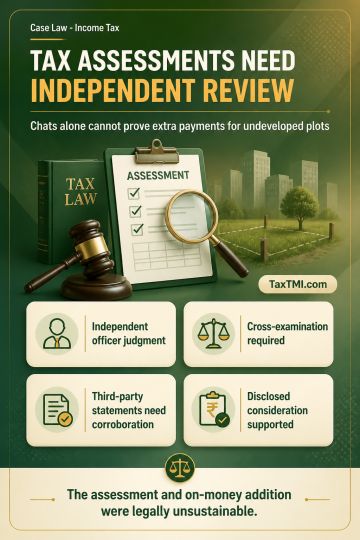
Independent assessment discretion and corroborated electronic evidence determine validity of on-money additions and undisclosed-consideration assessme...
The dominant issue was whether non-communication of grounds of arrest in writing vitiated the arrest and warranted grant of bail under Article 22(1). The Court held that "grounds of arrest" are the factual basis forming the arresting officer's opinion that an offence was committed, distinct from "reasons" addressing necessity to arrest. It further held that Article 22(1) does not require the grounds to be written on a separate sheet; furnishing any document containing the grounds amounts to written communication. Since the arrest memo supplied at the time of arrest contained and communicated the grounds in writing, there was no violation of Article 22(1), and bail was refused. - HC
The dominant issue was whether non-communication of grounds of arrest in writing vitiated the arrest and warranted grant of bail under Article 22(1). The Court held that "grounds of arrest" are the factual basis forming the arresting officer's opinion that an offence was committed, distinct from "reasons" addressing necessity to arrest. It further held that Article 22(1) does not require the grounds to be written on a separate sheet; furnishing any document containing the grounds amounts to written communication. Since the arrest memo supplied at the time of arrest contained and communicated the grounds in writing, there was no violation of Article 22(1), and bail was refused. - HC
Note: It is a system-generated summary and is for quick reference only.
 TaxTMI
  TaxTMI
 of 4828
















 Join Channel


