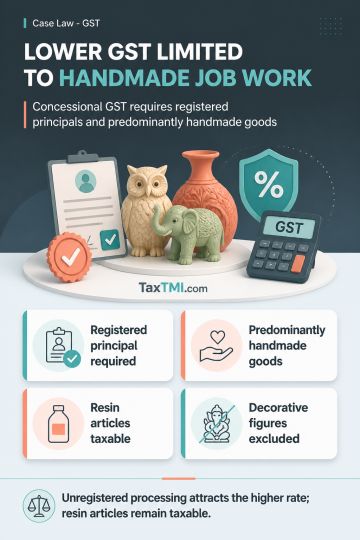
Handicraft job work receives concessional GST only for registered principals and predominantly handmade goods; commercial resin articles remain taxabl...
Reassessment disclosure requirements permit stated reasons without revealing information sources, but prior-taxation claims require full examination b...
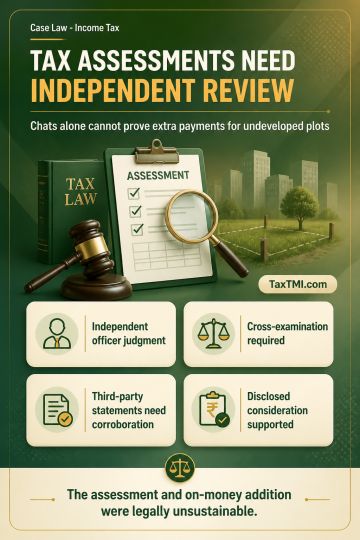
Independent assessment discretion and corroborated electronic evidence determine validity of on-money additions and undisclosed-consideration assessme...
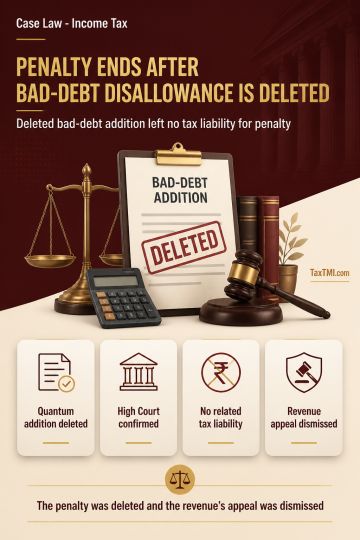
The dominant issue was whether a penalty order under s.271(1)(c) could be validly passed during pendency of the quantum appeal, and within the limitation framework of s.275. Relying on binding precedent, the Court held that such penalty orders are premature, illegal, and without jurisdiction because the authority must keep penalty proceedings in abeyance until the appellate forum disposes of the appeal, upon which jurisdiction to impose penalty would arise. The Court also held that the Finance Act, 2025 amendment to s.275 applies prospectively to pending matters from 1 April 2025 but does not revive limitation already expired by 31 March 2025. The impugned penalty order was quashed. - HC
The dominant issue was whether a penalty order under s.271(1)(c) could be validly passed during pendency of the quantum appeal, and within the limitation framework of s.275. Relying on binding precedent, the Court held that such penalty orders are premature, illegal, and without jurisdiction because the authority must keep penalty proceedings in abeyance until the appellate forum disposes of the appeal, upon which jurisdiction to impose penalty would arise. The Court also held that the Finance Act, 2025 amendment to s.275 applies prospectively to pending matters from 1 April 2025 but does not revive limitation already expired by 31 March 2025. The impugned penalty order was quashed. - HC
Note: It is a system-generated summary and is for quick reference only.
 TaxTMI
  TaxTMI
 of 4828

















 Join Channel


