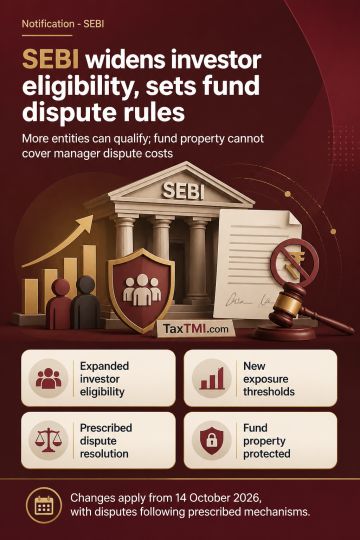
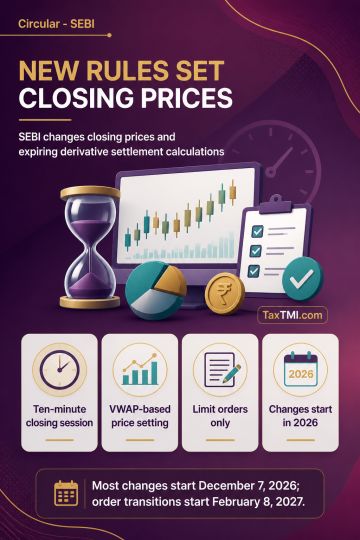
Accredited investor eligibility expands through securities-market exposure, while alternative investment fund disputes require prescribed resolution a...
Customs Assessment Portal centralises classification and valuation guidance to support consistent, transparent and informed compliance across stakehol...
CESTAT allowed the appeal of the customs broker, setting aside the revocation of licence, forfeiture of security deposit and penalty under CBLR. It held that the alleged violations of Regulations 10(a), 10(d), 10(e) and 10(n) were unsustainable. For Regulation 10(a), there was no evidentiary basis in the SCN to conclude lack of authorization. Findings under Regulations 10(d) and 10(e) were based on statements not relied upon in the SCN and no material showed failure to advise or provision of incorrect information. For Regulation 10(n), the broker had duly verified IEC and GSTIN through authentic documents, and could not be faulted for relying on government-issued credentials.
CESTAT allowed the appeal of the customs broker, setting aside the revocation of licence, forfeiture of security deposit and penalty under CBLR. It held that the alleged violations of Regulations 10(a), 10(d), 10(e) and 10(n) were unsustainable. For Regulation 10(a), there was no evidentiary basis in the SCN to conclude lack of authorization. Findings under Regulations 10(d) and 10(e) were based on statements not relied upon in the SCN and no material showed failure to advise or provision of incorrect information. For Regulation 10(n), the broker had duly verified IEC and GSTIN through authentic documents, and could not be faulted for relying on government-issued credentials.
Note: It is a system-generated summary and is for quick reference only.
 TaxTMI
  TaxTMI
 of 4921