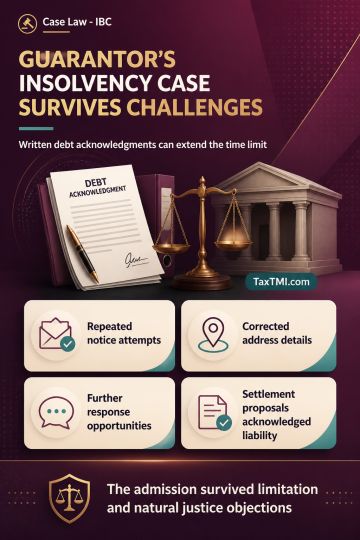
Service of notice and contractual debt acknowledgment preserved insolvency admission against a corporate guarantor despite limitation and natural just...
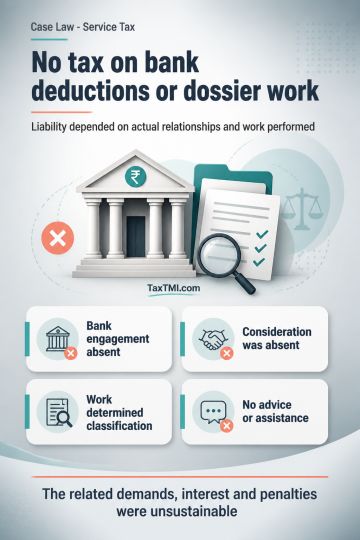
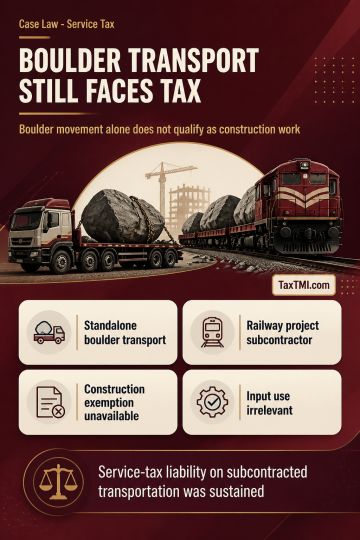
Original works exemption excludes standalone boulder transportation, leaving subcontracted railway-project transport services subject to service tax l...
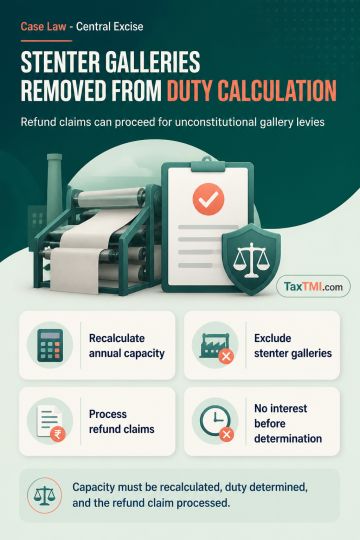
Annual production capacity determinations excluding stenter galleries support refunds for unconstitutional excise levies without an unjust-enrichment ...
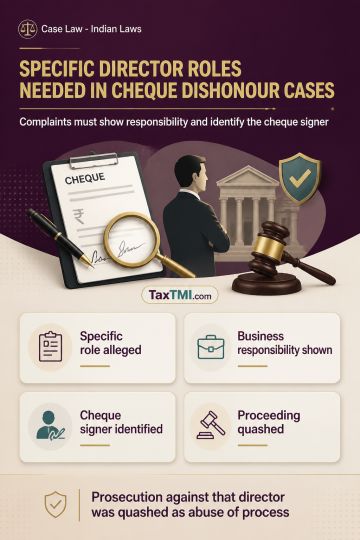
Vicarious liability for cheque dishonour requires specific allegations of responsibility and cheque signatory; generic director allegations cannot sus...
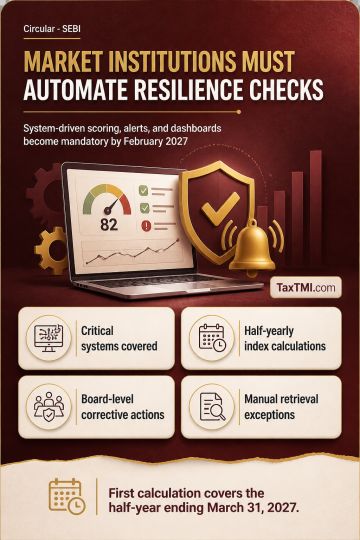
IT Resilience Index requires market infrastructure institutions to automate resilience scoring, early warnings, and continuous service-delivery monito...
The ITAT held that the assessee-institution qualifies as a charitable entity engaged in "education" within the meaning of section 2(15) and is entitled to exemption under section 11. It found that systematic instruction in gemology through a structured curriculum, formal classes, fixed timings, fee structure, professional faculty, discipline, vacations, and evaluation leading to certification constitutes imparting education, irrespective of affiliation to a university. The Tribunal rejected the Revenue's contention that the assessee's activities fell under "advancement of any other object of general public utility" and that the proviso to section 2(15) applied, and distinguished the precedent relied upon by the Revenue, thereby overturning the denial of exemption by lower authorities.
The ITAT held that the assessee-institution qualifies as a charitable entity engaged in "education" within the meaning of section 2(15) and is entitled to exemption under section 11. It found that systematic instruction in gemology through a structured curriculum, formal classes, fixed timings, fee structure, professional faculty, discipline, vacations, and evaluation leading to certification constitutes imparting education, irrespective of affiliation to a university. The Tribunal rejected the Revenue's contention that the assessee's activities fell under "advancement of any other object of general public utility" and that the proviso to section 2(15) applied, and distinguished the precedent relied upon by the Revenue, thereby overturning the denial of exemption by lower authorities.
Note: It is a system-generated summary and is for quick reference only.
 TaxTMI
  TaxTMI
 of 4828










 Join Channel