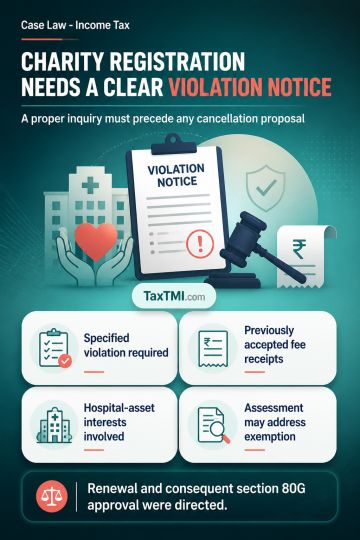
Charitable trust registration requires a specified-violation notice; settled cash deposits and related-party payments did not justify cancellation or ...
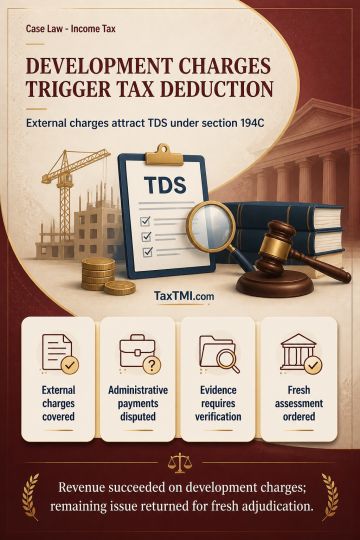
External development charges trigger TDS under section 194C, while disputed administrative payments require factual verification and fresh adjudicatio...
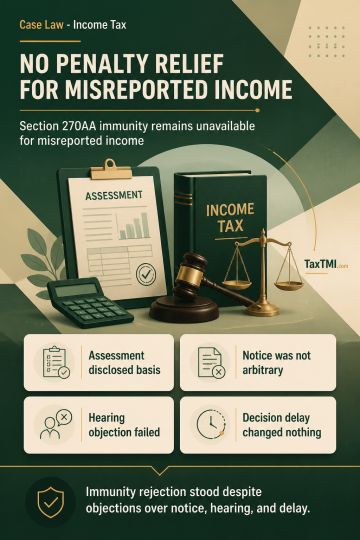
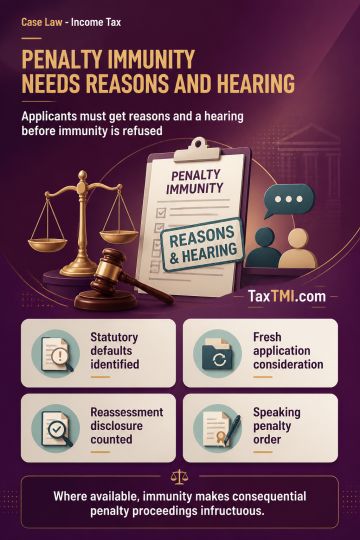
Section 270AA penalty immunity requires identified statutory defaults and a hearing before rejection; reassessment disclosure may constitute under-rep...
NCLAT dismissed the company appeal filed by the corporate guarantor, upholding the NCLT, Chennai's admission of a s.7 IBC application. It held that, although on the filing date against the guarantor no CIRP was pending against the principal borrower, by the time the guarantor's petition was heard, the s.7 application against the principal borrower stood registered and pending. Applying s.60(2) IBC, NCLAT ruled that proceedings arising from the same debenture trust deed must be adjudicated before a common forum to avoid conflicting determinations. It rejected the contention that "pendency" under s.60(2) requires commencement of CIRP, holding that initiation and pendency of a s.7 application suffices, and further found that any objection to concurrent territorial jurisdiction had been waived by not being raised at the earliest stage.
NCLAT dismissed the company appeal filed by the corporate guarantor, upholding the NCLT, Chennai's admission of a s.7 IBC application. It held that, although on the filing date against the guarantor no CIRP was pending against the principal borrower, by the time the guarantor's petition was heard, the s.7 application against the principal borrower stood registered and pending. Applying s.60(2) IBC, NCLAT ruled that proceedings arising from the same debenture trust deed must be adjudicated before a common forum to avoid conflicting determinations. It rejected the contention that "pendency" under s.60(2) requires commencement of CIRP, holding that initiation and pendency of a s.7 application suffices, and further found that any objection to concurrent territorial jurisdiction had been waived by not being raised at the earliest stage.
Note: It is a system-generated summary and is for quick reference only.
 TaxTMI
  TaxTMI
 of 4826













 Join Channel


