Defined public benefit can retain charitable character; registration renewal requires examining genuine activities and legal compliance, not surplus a...
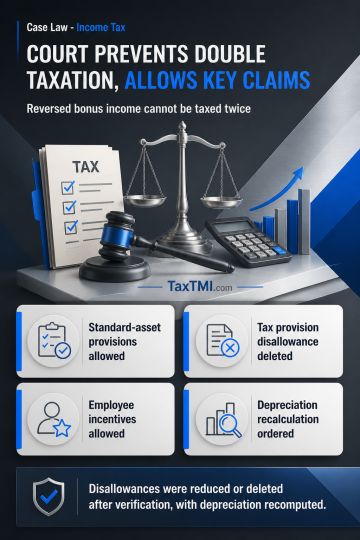
Capital reduction is distinct from share buy-back, preventing buy-back tax; restructuring interest and related business deductions also survive scruti...
Transfer pricing and tax deductions upheld on established principles, while employee contributions and warranty provisions returned for fresh examinat...
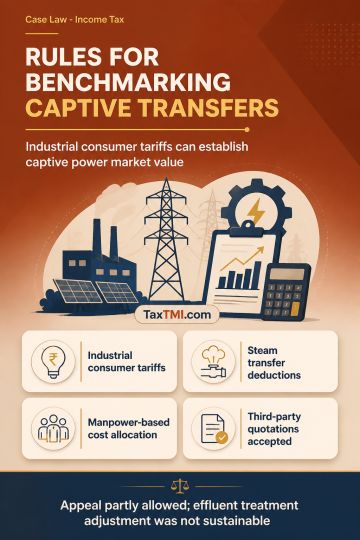
Captive transfer pricing relies on industrial consumer tariffs, while genuine quotations can benchmark effluent treatment transfers under the Other Me...
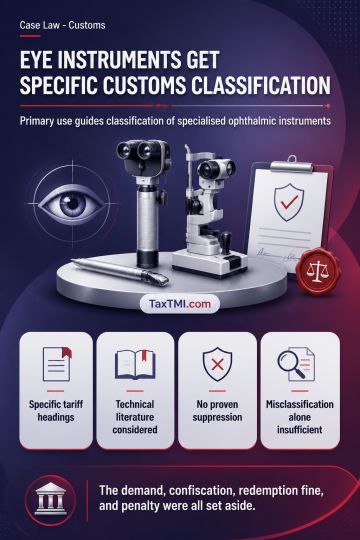
Specific tariff classification for ophthalmic instruments and extended limitation principles determine the treatment of duty demands, confiscation, an...
Integrated golf function determines classification, placing launch monitors and simulators under other golf equipment rather than measuring instrument...
CESTAT held that the customs authorities could not deny the preferential rate of duty under N/N. 46/2011-Cus. solely on the basis of an FTA Cell letter alleging that the relevant Certificate of Origin was "inauthentic," without producing the underlying verification report. In absence of this primary document, the conclusion of inauthenticity was treated as hearsay and legally unsustainable. Further, earlier imports under six separate Bills of Entry, supported by different Certificates of Origin, could not be discredited merely by association with the disputed certificate, especially when their assessments had attained finality and were never challenged. Consequently, CESTAT set aside the confirmed demands, and the appeals filed by M/s. X were allowed in entirety.
CESTAT held that the customs authorities could not deny the preferential rate of duty under N/N. 46/2011-Cus. solely on the basis of an FTA Cell letter alleging that the relevant Certificate of Origin was "inauthentic," without producing the underlying verification report. In absence of this primary document, the conclusion of inauthenticity was treated as hearsay and legally unsustainable. Further, earlier imports under six separate Bills of Entry, supported by different Certificates of Origin, could not be discredited merely by association with the disputed certificate, especially when their assessments had attained finality and were never challenged. Consequently, CESTAT set aside the confirmed demands, and the appeals filed by M/s. X were allowed in entirety.
Note: It is a system-generated summary and is for quick reference only.
 TaxTMI
 of 4796


















 Join Channel


 TaxTMI
