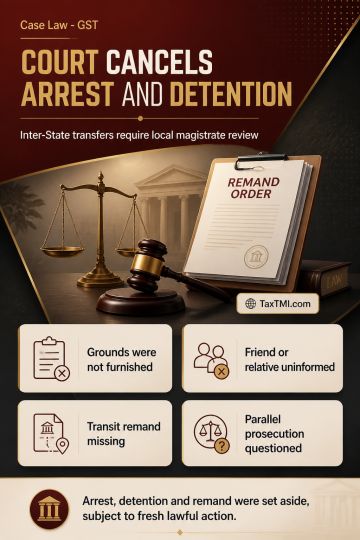
Arrest safeguards and transit remand requirements invalidated detention following inter-State transfer without communicated grounds or magistrate auth...
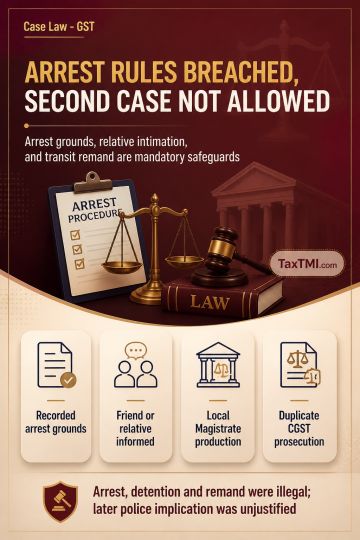
Arrest safeguards require disclosed grounds, relative intimation and transit remand, while duplicate prosecution under the CGST framework is unsustain...
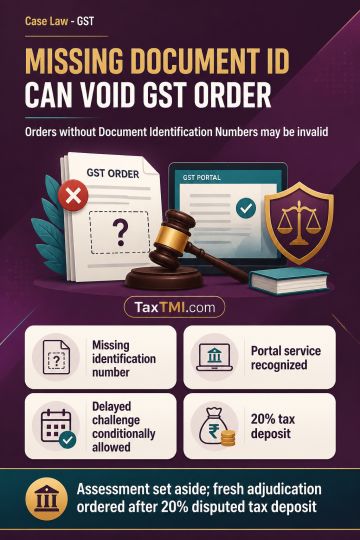
Document Identification Number defects can invalidate GST assessments, with delayed challenges entertained conditionally where patent irregularities e...
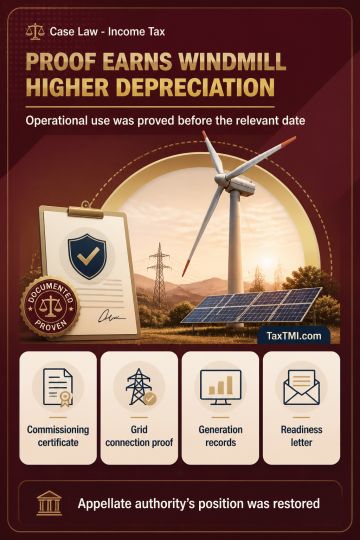
Windmill commissioning evidence supported higher depreciation where grid connection and electricity generation proved operational use before the relev...
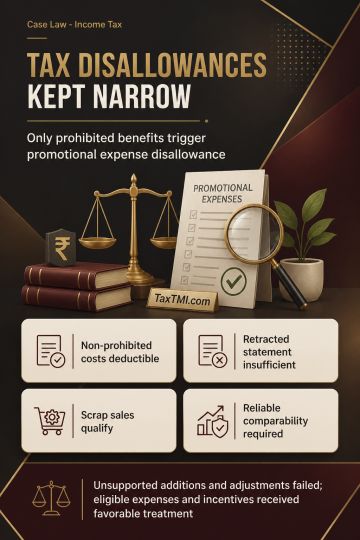
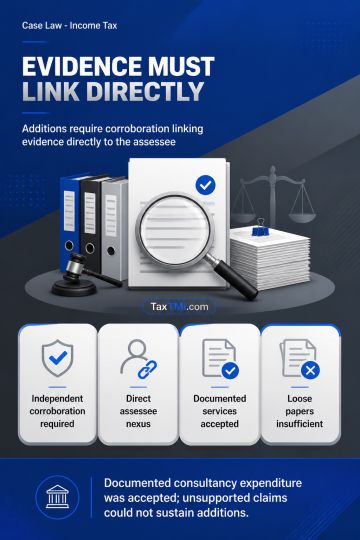
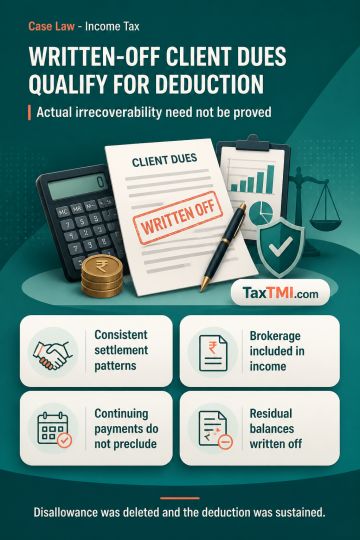
Pharmaceutical promotion and transfer-pricing comparability principles limited disallowances, while uncorroborated search allegations and unsupported ...
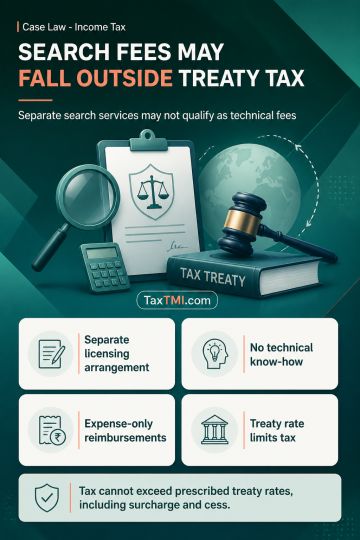
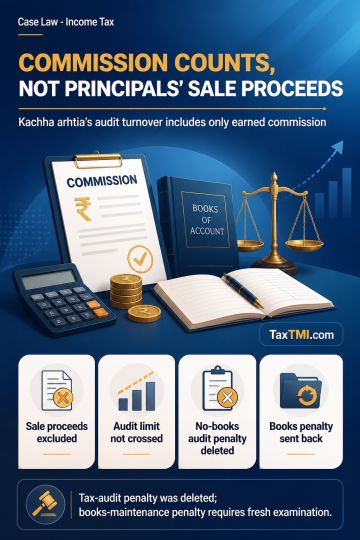
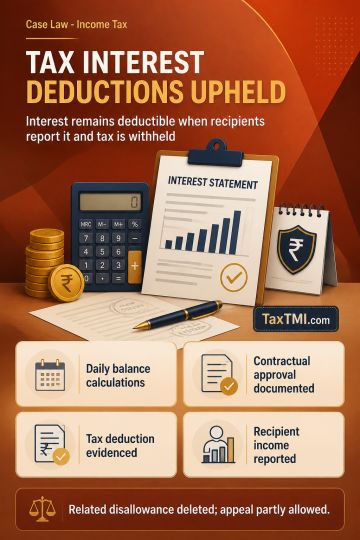
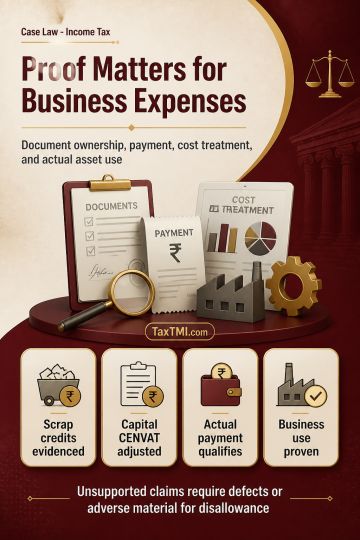
Business expenditure substantiation supports scrap credits, statutory payments and expense claims, while depreciation requires proof of actual busines...
HC held that, although the procedural requirements under s.68 and r.138 CGST Rules for movement of goods were ostensibly complied with and the vehicle was no longer in transit, the petitioner's conduct disentitled it to equitable relief under Art. 226. The record established that the petitioner, in collusion with others, had devised a systematic scheme to defraud the revenue by fabricating sham transactions and availing fraudulent input tax credit through bogus entities and fictitious outward liabilities, exploiting systemic gaps in the GST framework. HC declined to interfere with the seizure and detention proceedings, refused the relief of release of goods and conveyance, and dismissed the writ petition with costs of Rs. 5,00,000 to be recovered from the petitioner-company through its Director.
HC held that, although the procedural requirements under s.68 and r.138 CGST Rules for movement of goods were ostensibly complied with and the vehicle was no longer in transit, the petitioner's conduct disentitled it to equitable relief under Art. 226. The record established that the petitioner, in collusion with others, had devised a systematic scheme to defraud the revenue by fabricating sham transactions and availing fraudulent input tax credit through bogus entities and fictitious outward liabilities, exploiting systemic gaps in the GST framework. HC declined to interfere with the seizure and detention proceedings, refused the relief of release of goods and conveyance, and dismissed the writ petition with costs of Rs. 5,00,000 to be recovered from the petitioner-company through its Director.
Note: It is a system-generated summary and is for quick reference only.
 TaxTMI
 of 4792





 Join Channel


 TaxTMI