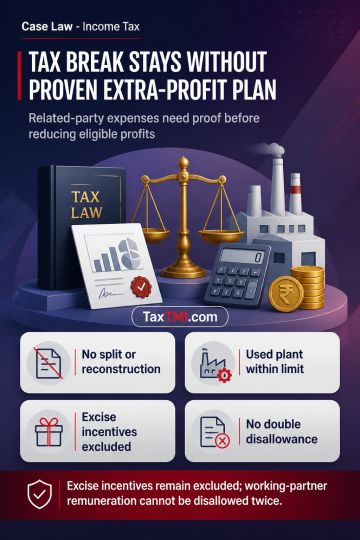
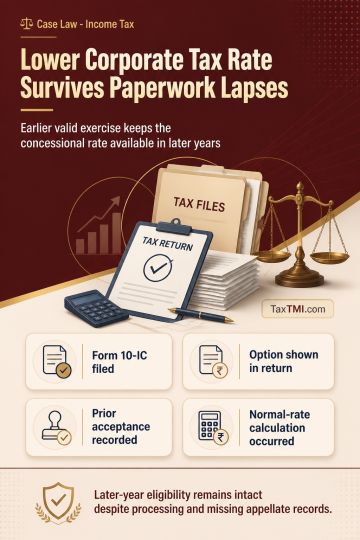
Concessional corporate tax option under section 115BAA survives procedural documentary lapses when statutory compliance and earlier exercise are estab...
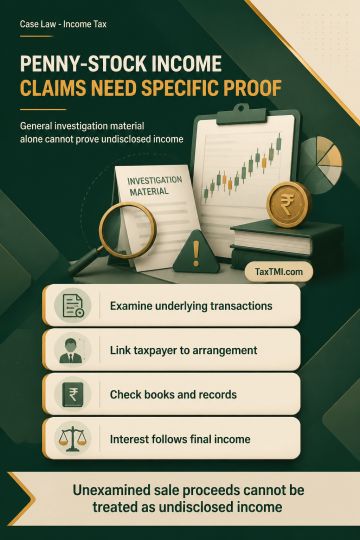
Penny-stock additions require transaction-specific evidence; general investigation material alone cannot establish undisclosed income or accommodation...
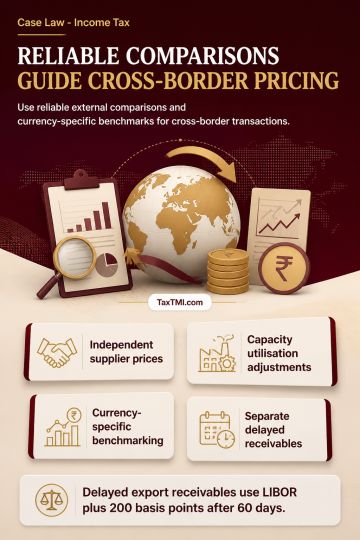
Transfer pricing comparability prioritises reliable external CUPs and foreign-currency LIBOR benchmarks for exports, borrowings and delayed receivable...
Section 153C satisfaction and seized electronic records sustained unexplained-investment addition, subject to proportionate ownership-share verificati...
CESTAT examined penalties imposed on the appellants, acting as high sea sellers and job workers, under s.112(b) of the Customs Act, 1962 for allegedly colluding with the importer to evade duty and wrongfully claim exemption on imported LCC paper rolls. The Tribunal held that penalty under s.112(b) requires clear proof of mens rea, i.e., that the person "knew or had reason to believe" the goods were liable to confiscation under s.111. The Dept. failed to adduce any evidence that the appellants had knowledge of, or participated in, the importer's fraud. Job-work documents were not found defective. CESTAT therefore set aside the penalties and allowed the appeals.
CESTAT examined penalties imposed on the appellants, acting as high sea sellers and job workers, under s.112(b) of the Customs Act, 1962 for allegedly colluding with the importer to evade duty and wrongfully claim exemption on imported LCC paper rolls. The Tribunal held that penalty under s.112(b) requires clear proof of mens rea, i.e., that the person "knew or had reason to believe" the goods were liable to confiscation under s.111. The Dept. failed to adduce any evidence that the appellants had knowledge of, or participated in, the importer's fraud. Job-work documents were not found defective. CESTAT therefore set aside the penalties and allowed the appeals.
Note: It is a system-generated summary and is for quick reference only.
 TaxTMI
  TaxTMI
 of 4830






 Join Channel


