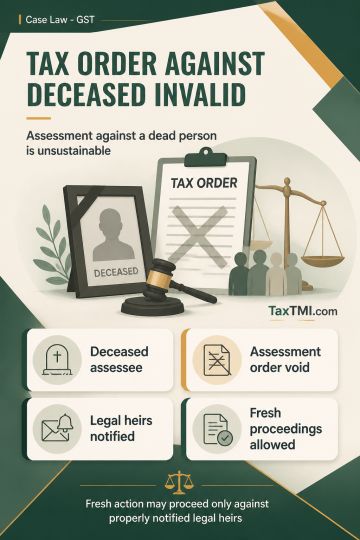
Mutual fund maturity rules require proper rollover, redemption, disclosure, and due diligence; investor gains cannot excuse regulatory breaches or pen...
Threshold exemption excludes exempt services, while stamp-paper purchases avoid reverse charge; consequential service tax penalties were also set asid...
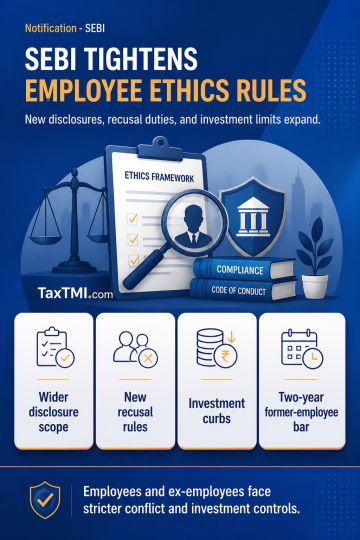
Employee conflict disclosures and investment restrictions expand with new recusal duties, post-employment limits, and compliance reporting requirement...
AAR held that the applicant's share of fees received from skill training partners and fees collected from its own training institutes are liable to GST. The receipts do not qualify for exemption under Entry 69 or Entry 66 of Notif. No. 12/2017-CT(R), as the outsourced training partners are not shown to be NSDC/SSC approved, the courses are not NSQF/NCVET or statute-recognized, and the applicant is not an "educational institution" within para 2(y). Exemption under Sl. No. 4 is also denied as the services are not municipal functions under Art. 243W. On ITC, AAR declined a specific ruling for lack of factual detail but clarified that ITC cannot be denied merely because inputs are funded from a Government grant, subject to s.16 CGST Act conditions.
AAR held that the applicant's share of fees received from skill training partners and fees collected from its own training institutes are liable to GST. The receipts do not qualify for exemption under Entry 69 or Entry 66 of Notif. No. 12/2017-CT(R), as the outsourced training partners are not shown to be NSDC/SSC approved, the courses are not NSQF/NCVET or statute-recognized, and the applicant is not an "educational institution" within para 2(y). Exemption under Sl. No. 4 is also denied as the services are not municipal functions under Art. 243W. On ITC, AAR declined a specific ruling for lack of factual detail but clarified that ITC cannot be denied merely because inputs are funded from a Government grant, subject to s.16 CGST Act conditions.
Note: It is a system-generated summary and is for quick reference only.
 TaxTMI
 of 4805









 Join Channel


 TaxTMI