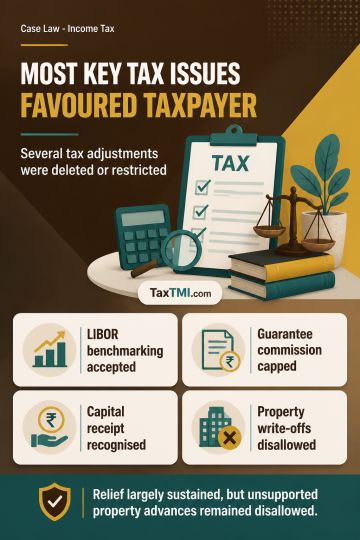
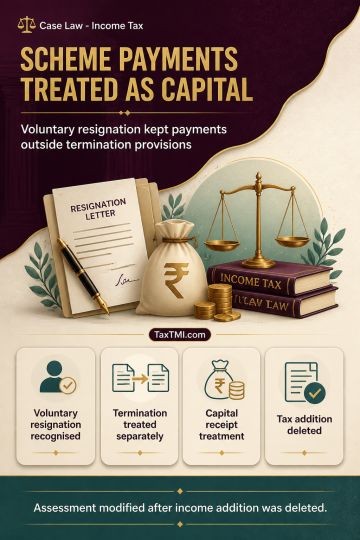
Transfer-pricing benchmarking and capital-receipt principles sustained taxpayer relief, while unsupported property-advance write-offs remained disallo...
Pre-existing operational debt disputes require genuine evidence, while undirected running-account payments may be appropriated on a first-in-first-out...
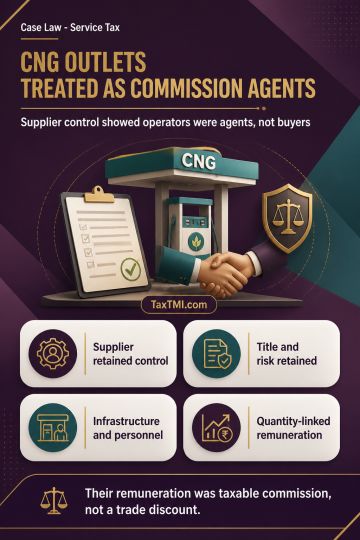
Agency in CNG distribution makes outlet operators commission agents, rendering taxable Business Auxiliary Service rather than purchasing goods for res...
AAR held that the applicant's share of fees received from skill training partners and fees collected from its own training institutes are liable to GST. The receipts do not qualify for exemption under Entry 69 or Entry 66 of Notif. No. 12/2017-CT(R), as the outsourced training partners are not shown to be NSDC/SSC approved, the courses are not NSQF/NCVET or statute-recognized, and the applicant is not an "educational institution" within para 2(y). Exemption under Sl. No. 4 is also denied as the services are not municipal functions under Art. 243W. On ITC, AAR declined a specific ruling for lack of factual detail but clarified that ITC cannot be denied merely because inputs are funded from a Government grant, subject to s.16 CGST Act conditions.
AAR held that the applicant's share of fees received from skill training partners and fees collected from its own training institutes are liable to GST. The receipts do not qualify for exemption under Entry 69 or Entry 66 of Notif. No. 12/2017-CT(R), as the outsourced training partners are not shown to be NSDC/SSC approved, the courses are not NSQF/NCVET or statute-recognized, and the applicant is not an "educational institution" within para 2(y). Exemption under Sl. No. 4 is also denied as the services are not municipal functions under Art. 243W. On ITC, AAR declined a specific ruling for lack of factual detail but clarified that ITC cannot be denied merely because inputs are funded from a Government grant, subject to s.16 CGST Act conditions.
Note: It is a system-generated summary and is for quick reference only.
 TaxTMI
 of 4803









 Join Channel


 TaxTMI
