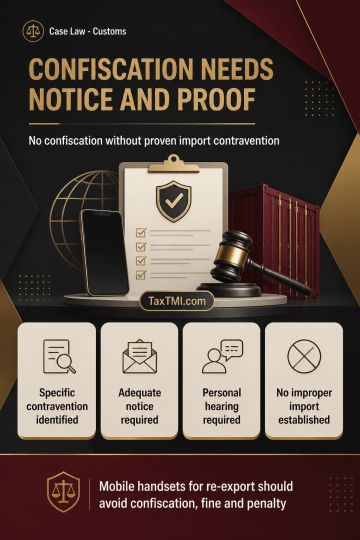
Arrest safeguards require disclosed grounds, relative intimation and transit remand, while duplicate prosecution under the CGST framework is unsustain...
Document Identification Number defects can invalidate GST assessments, with delayed challenges entertained conditionally where patent irregularities e...
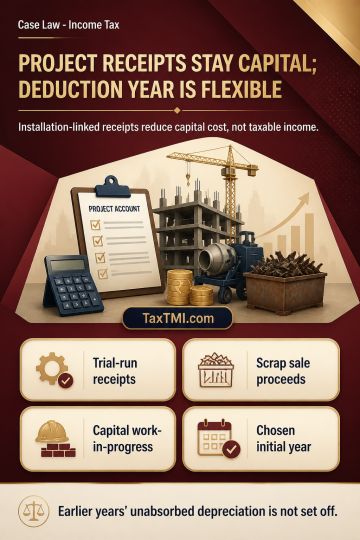
Windmill commissioning evidence supported higher depreciation where grid connection and electricity generation proved operational use before the relev...
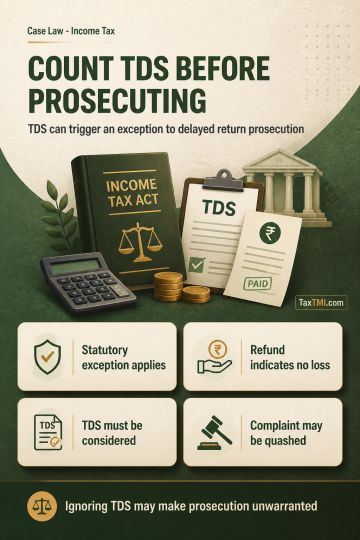
Pharmaceutical promotion and transfer-pricing comparability principles limited disallowances, while uncorroborated search allegations and unsupported ...
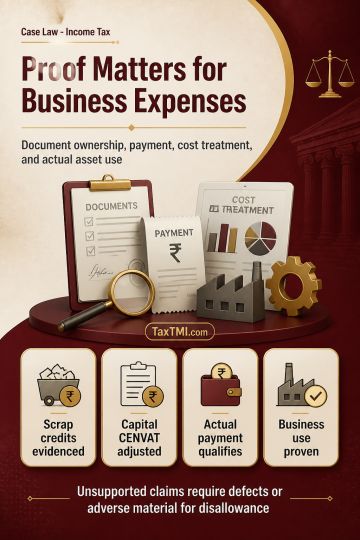
Business expenditure substantiation supports scrap credits, statutory payments and expense claims, while depreciation requires proof of actual busines...
HC upheld the order of CIT(A) deleting the addition made by the AO on account of alleged unexplained income from sale of shares of Global Capital Markets Ltd. The HC held that the AO's addition was based solely on unsubstantiated third-party information regarding penny stock transactions, without disclosing the source or material to the assessee and without conducting any independent inquiry. The assessee had demonstrably purchased the shares in 2003 and sold them in 2010 through a recognized stock exchange after payment of STT, negating the allegation of short-term accommodation entries. As the transaction was supported by proper documentation and the Revenue failed to prove that the consideration was bogus or that the entities were fictitious, the HC found no perversity in the CIT(A)'s reasoning and dismissed the Revenue's appeal.
HC upheld the order of CIT(A) deleting the addition made by the AO on account of alleged unexplained income from sale of shares of Global Capital Markets Ltd. The HC held that the AO's addition was based solely on unsubstantiated third-party information regarding penny stock transactions, without disclosing the source or material to the assessee and without conducting any independent inquiry. The assessee had demonstrably purchased the shares in 2003 and sold them in 2010 through a recognized stock exchange after payment of STT, negating the allegation of short-term accommodation entries. As the transaction was supported by proper documentation and the Revenue failed to prove that the consideration was bogus or that the entities were fictitious, the HC found no perversity in the CIT(A)'s reasoning and dismissed the Revenue's appeal.
Note: It is a system-generated summary and is for quick reference only.
 TaxTMI
 of 4805

















 Join Channel


 TaxTMI