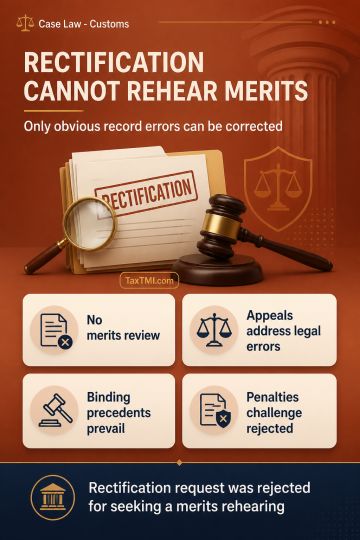
Rectification of mistake remains limited to self-evident record errors, preventing merits review through miscellaneous applications and preserving fin...
Tender creditworthiness conditions may extend to de facto Promoter Directors, with post-participation challenges generally barred absent arbitrariness...
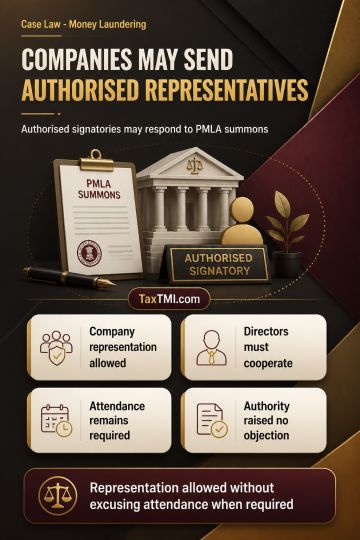
Corporate representation in PMLA summons proceedings permitted through an authorised signatory, subject to directors' continuing cooperation and atten...
Helicopter charter classification requires effective control analysis, while territorial performance, reasoned credit orders and wilful suppression de...
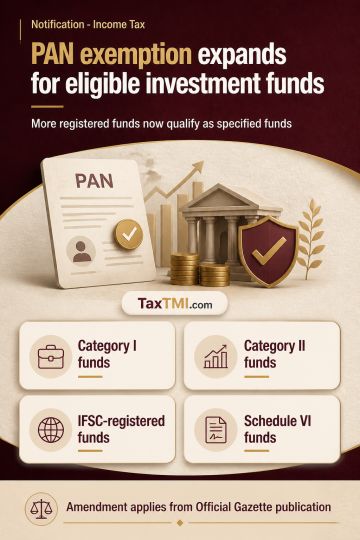
Specified fund definition expands PAN exemption eligibility for registered alternative investment funds and qualifying International Financial Service...
Tax exemption for specified legal-services authority income applies retrospectively, subject to non-commercial activity, unchanged income sources, and...
CESTAT held that export consignments comprising mixed Iron Ore fines and low-percentage lumps could not be classified as Iron Ore lumps for levy of higher export duty, as lumps were not the predominant component. The Tribunal further ruled that export duty and value must be determined on the basis of Fe content and moisture percentage ascertained at the discharge port in terms of the export contracts, and that the declared transaction value could not be rejected without strictly following the Customs Valuation Rules and affording the exporters due opportunity. However, CESTAT upheld denial of cum-duty benefit, holding FOB value as the transaction value for export duty from 01.01.2009. Departmental appeals were dismissed; exporters' appeals were allowed to the above extent.
CESTAT held that export consignments comprising mixed Iron Ore fines and low-percentage lumps could not be classified as Iron Ore lumps for levy of higher export duty, as lumps were not the predominant component. The Tribunal further ruled that export duty and value must be determined on the basis of Fe content and moisture percentage ascertained at the discharge port in terms of the export contracts, and that the declared transaction value could not be rejected without strictly following the Customs Valuation Rules and affording the exporters due opportunity. However, CESTAT upheld denial of cum-duty benefit, holding FOB value as the transaction value for export duty from 01.01.2009. Departmental appeals were dismissed; exporters' appeals were allowed to the above extent.
Note: It is a system-generated summary and is for quick reference only.
 TaxTMI
 of 4805









 Join Channel


 TaxTMI