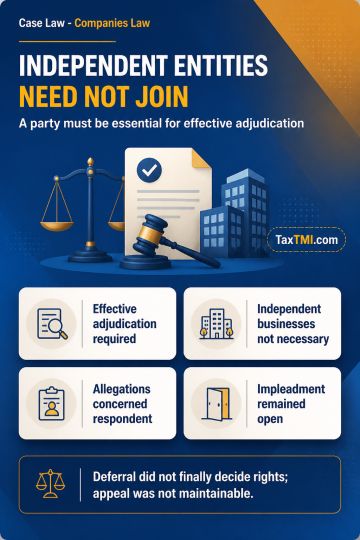
Necessary-party requirements limit impleadment of independent entities, while deferred consideration does not create an appealable adverse determinati...
Food supplement classification requires common parlance and authoritative tests, preventing treatment as proprietary Ayurvedic medicines without suppo...
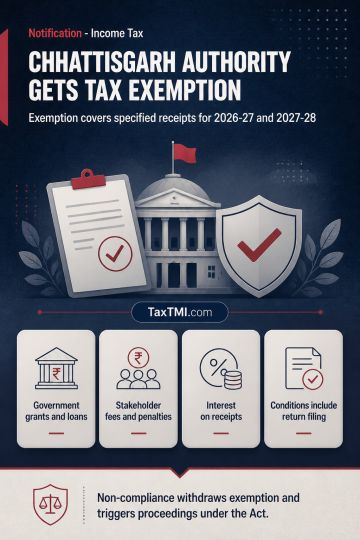
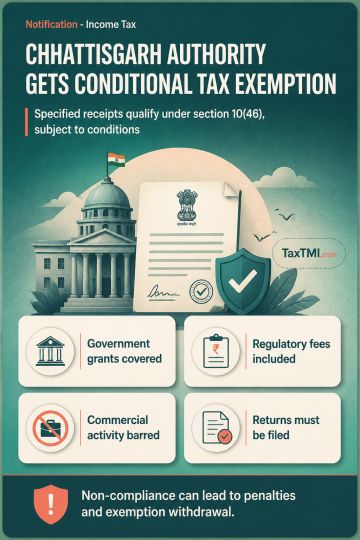
Specified regulatory authority income receives conditional tax exemption, subject to non-commercial activity, unchanged income character, and return f...
Tax exemption for regulatory authority income applies retrospectively, subject to non-commercial activity, unchanged income sources, and return-filing...
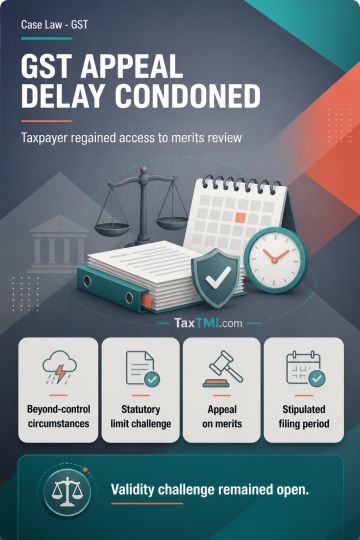
Input tax credit conditions remain constitutionally valid, with eligible recipient claims considered under GST circulars and retrospective filing dead...
NCLAT dismissed the appeal and affirmed the NCLT's order approving the resolution plan for the corporate debtor. It held that, although the appellant's expenditure on the corporate debtor had been acknowledged in prior proceedings, the appellant failed to substantiate its claim as financial or operational debt under the IBC, particularly given the delayed filing, absence of supporting documents, and an exorbitant, contractually unsupported interest component. NCLAT found no contravention of s.30(2)(b) IBC or the CIRP Regulations and reiterated the primacy of the CoC's commercial wisdom, especially where the plan had been approved with 100% voting share. As the resolution plan complied with all mandatory statutory requirements and no material irregularity was established, judicial interference was held to be unwarranted. The successful resolution applicant was permitted to proceed in terms of the approved plan, and the appeal was disposed of.
NCLAT dismissed the appeal and affirmed the NCLT's order approving the resolution plan for the corporate debtor. It held that, although the appellant's expenditure on the corporate debtor had been acknowledged in prior proceedings, the appellant failed to substantiate its claim as financial or operational debt under the IBC, particularly given the delayed filing, absence of supporting documents, and an exorbitant, contractually unsupported interest component. NCLAT found no contravention of s.30(2)(b) IBC or the CIRP Regulations and reiterated the primacy of the CoC's commercial wisdom, especially where the plan had been approved with 100% voting share. As the resolution plan complied with all mandatory statutory requirements and no material irregularity was established, judicial interference was held to be unwarranted. The successful resolution applicant was permitted to proceed in terms of the approved plan, and the appeal was disposed of.
Note: It is a system-generated summary and is for quick reference only.
 TaxTMI
 of 4805












 Join Channel


 TaxTMI