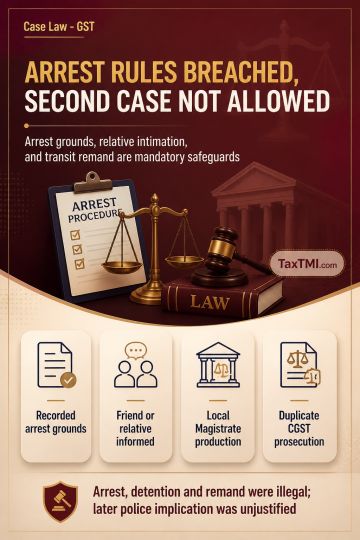
Arrest safeguards require disclosed grounds, relative intimation and transit remand, while duplicate prosecution under the CGST framework is unsustain...
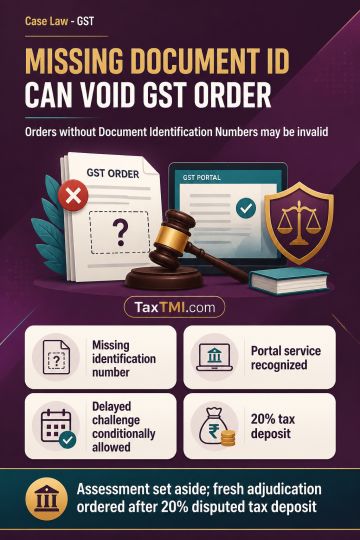
Document Identification Number defects can invalidate GST assessments, with delayed challenges entertained conditionally where patent irregularities e...
Windmill commissioning evidence supported higher depreciation where grid connection and electricity generation proved operational use before the relev...
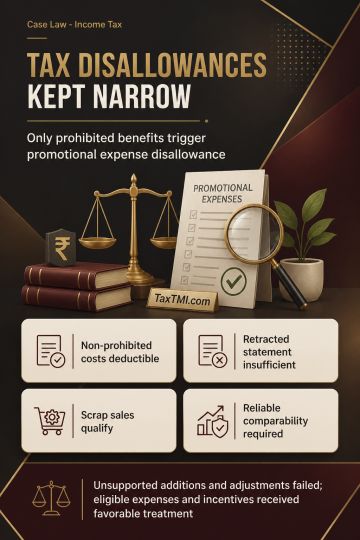
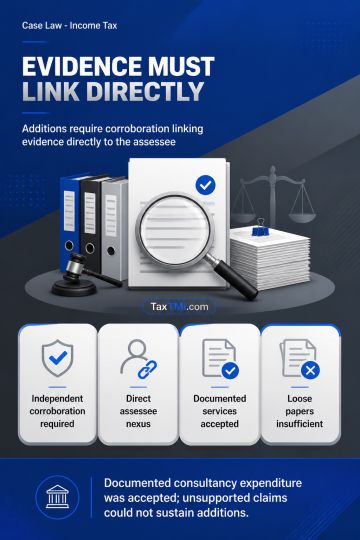
Pharmaceutical promotion and transfer-pricing comparability principles limited disallowances, while uncorroborated search allegations and unsupported ...
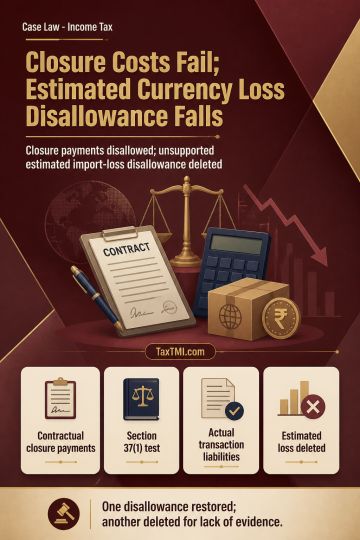
Business expenditure substantiation supports scrap credits, statutory payments and expense claims, while depreciation requires proof of actual busines...
HC examined whether confiscation of funds in NRE/SB accounts used in contravention of FERA, 1973, is mandatory or discretionary under Section 63. HC held that, as Section 63 uses the term "may" and requires the authority to have "reason to believe" that the amounts are related to the proved breach, confiscation is discretionary and cannot be automatic or imposed as a matter of course. In the present case, the confiscation order was passed without independent application of mind. AT had rightly considered the nature of violations and set aside the routine confiscation. HC found no perversity in AT's approach and concluded that no substantial question of law arose. The appeal was dismissed.
HC examined whether confiscation of funds in NRE/SB accounts used in contravention of FERA, 1973, is mandatory or discretionary under Section 63. HC held that, as Section 63 uses the term "may" and requires the authority to have "reason to believe" that the amounts are related to the proved breach, confiscation is discretionary and cannot be automatic or imposed as a matter of course. In the present case, the confiscation order was passed without independent application of mind. AT had rightly considered the nature of violations and set aside the routine confiscation. HC found no perversity in AT's approach and concluded that no substantial question of law arose. The appeal was dismissed.
Note: It is a system-generated summary and is for quick reference only.
 TaxTMI
 of 4805














 Join Channel


 TaxTMI