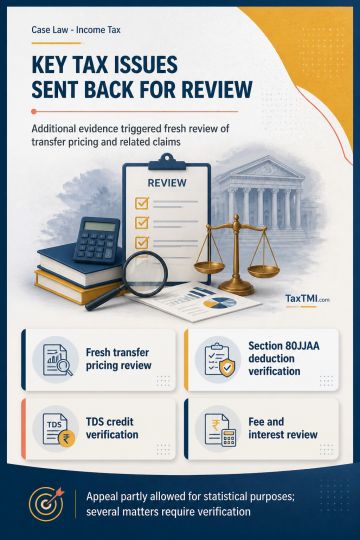
Additional evidence in transfer pricing dispute leads to fresh examination, while tax deductions, TDS credit, fee and refund interest require verifica...
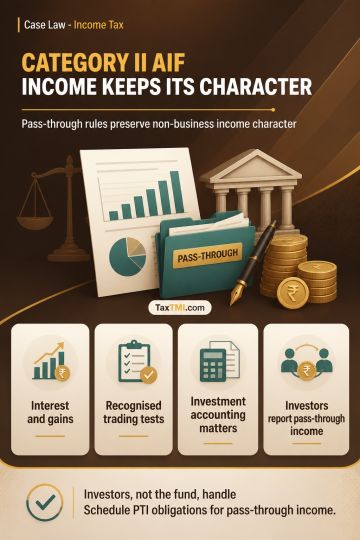
Category II AIF pass-through taxation preserves non-business income character; investment receipts cannot be reclassified without applying recognised ...
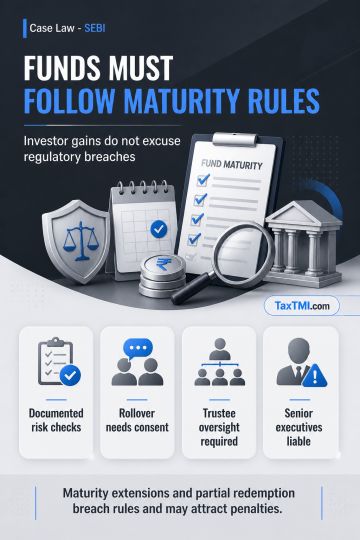
Mutual fund maturity rules require proper rollover, redemption, disclosure, and due diligence; investor gains cannot excuse regulatory breaches or pen...
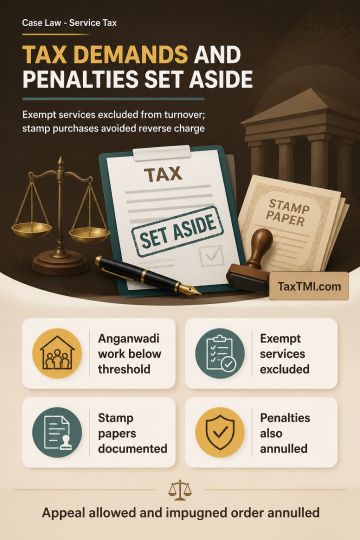
Threshold exemption excludes exempt services, while stamp-paper purchases avoid reverse charge; consequential service tax penalties were also set asid...
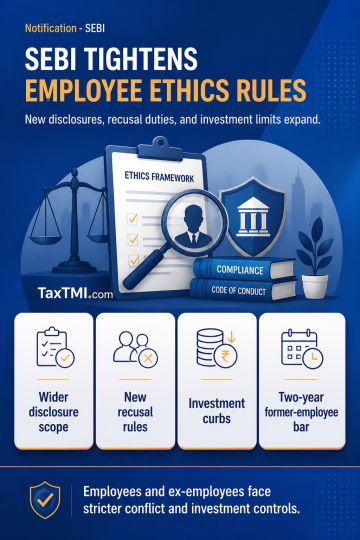
Employee conflict disclosures and investment restrictions expand with new recusal duties, post-employment limits, and compliance reporting requirement...
NCLAT upheld the NCLT's admission of a Section 7 IBC petition initiated by the financial creditor against the corporate debtor. It held that a valid financial debt and clear default existed under the loan agreement, independent of disputes under the concession agreement with a governmental authority. Allegations of "contrived" and malicious default, induced by the authority and lenders, were rejected as irrelevant to the limited jurisdiction under Section 7, which is confined to verifying existence of debt and default, not their causation or underlying contractual disputes. Termination of the concession agreement and pending/arbitrable issues were held not to extinguish the debtor's liability or bar CIRP. Finding no infirmity or mala fides in the admission order, NCLAT dismissed the appeal and affirmed continuation of CIRP.
NCLAT upheld the NCLT's admission of a Section 7 IBC petition initiated by the financial creditor against the corporate debtor. It held that a valid financial debt and clear default existed under the loan agreement, independent of disputes under the concession agreement with a governmental authority. Allegations of "contrived" and malicious default, induced by the authority and lenders, were rejected as irrelevant to the limited jurisdiction under Section 7, which is confined to verifying existence of debt and default, not their causation or underlying contractual disputes. Termination of the concession agreement and pending/arbitrable issues were held not to extinguish the debtor's liability or bar CIRP. Finding no infirmity or mala fides in the admission order, NCLAT dismissed the appeal and affirmed continuation of CIRP.
Note: It is a system-generated summary and is for quick reference only.
 TaxTMI
 of 4803









 Join Channel


 TaxTMI
