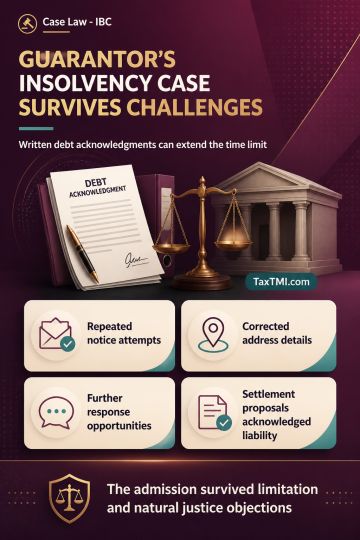
Service of notice and contractual debt acknowledgment preserved insolvency admission against a corporate guarantor despite limitation and natural just...
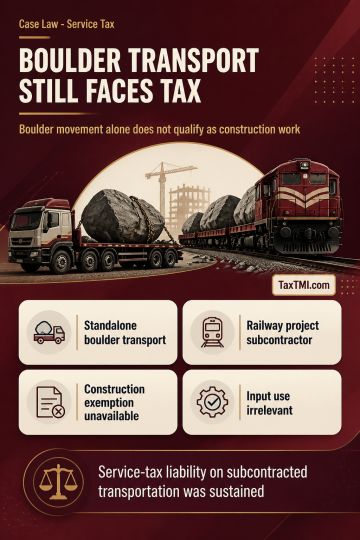
Original works exemption excludes standalone boulder transportation, leaving subcontracted railway-project transport services subject to service tax l...
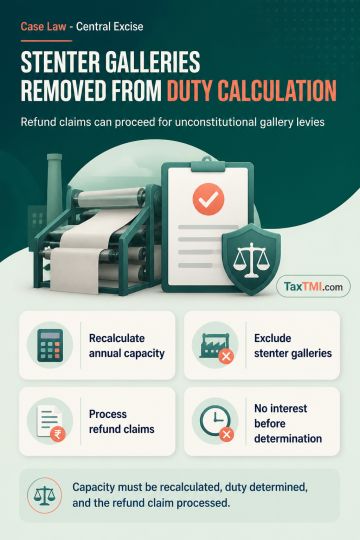
Annual production capacity determinations excluding stenter galleries support refunds for unconstitutional excise levies without an unjust-enrichment ...
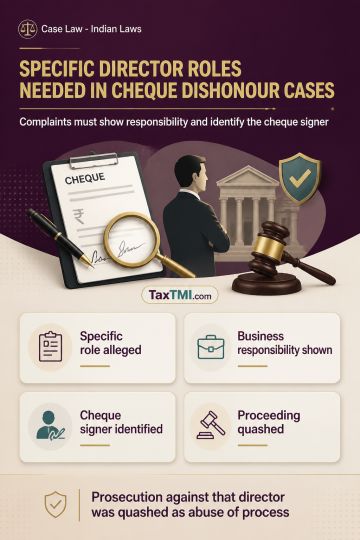
Vicarious liability for cheque dishonour requires specific allegations of responsibility and cheque signatory; generic director allegations cannot sus...
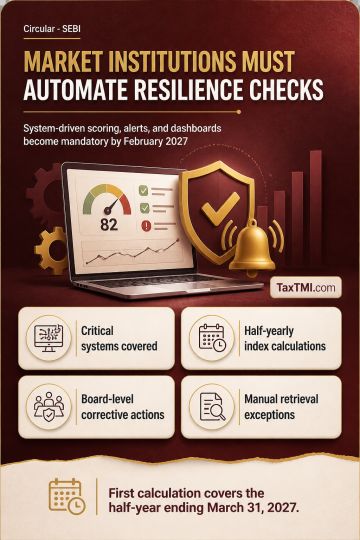
IT Resilience Index requires market infrastructure institutions to automate resilience scoring, early warnings, and continuous service-delivery monito...
CESTAT allowed the appeal of the anonymized importer and set aside the Commissioner's order dated 13.04.2007. It held that, since the REP licences in question were duly issued by the competent licensing authority and were not forged licences, customs duty liability could not be fastened on the appellant as a bona fide transferee, even if the original licences had been procured on the basis of fraudulent export or bank documents. CESTAT further held that the inculpatory statements recorded under s.108 of the Customs Act were inadmissible, as the mandatory procedure under s.138B, including examination of the maker as a witness and affording an opportunity for cross-examination, had not been followed. Consequently, the demand of duty, confiscation, and penalties were unsustainable.
CESTAT allowed the appeal of the anonymized importer and set aside the Commissioner's order dated 13.04.2007. It held that, since the REP licences in question were duly issued by the competent licensing authority and were not forged licences, customs duty liability could not be fastened on the appellant as a bona fide transferee, even if the original licences had been procured on the basis of fraudulent export or bank documents. CESTAT further held that the inculpatory statements recorded under s.108 of the Customs Act were inadmissible, as the mandatory procedure under s.138B, including examination of the maker as a witness and affording an opportunity for cross-examination, had not been followed. Consequently, the demand of duty, confiscation, and penalties were unsustainable.
Note: It is a system-generated summary and is for quick reference only.
 TaxTMI
  TaxTMI
 of 4828



 Join Channel