Unified Brand India framework introduces voluntary Trust Mark certification and funding support for export branding, packaging and global promotional ...
Origin Declaration authentication governs preferential tariff claims under India-UK CETA, requiring a validated reference number before import clearan...
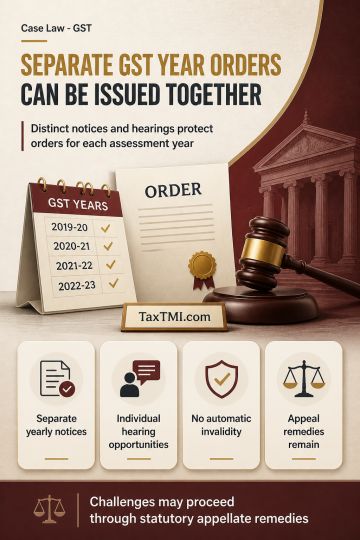
Separate assessment orders for different years remain valid when distinct notices and hearing opportunities prevent prejudice from combined proceeding...
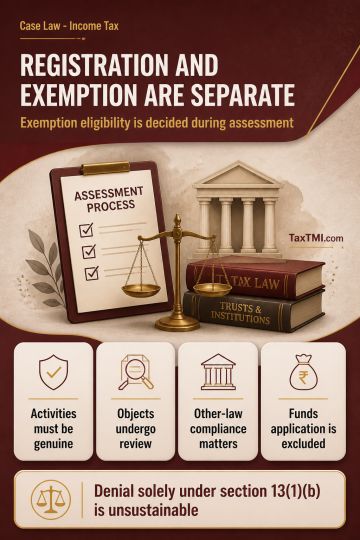
Defined public benefit can retain charitable character; registration renewal requires examining genuine activities and legal compliance, not surplus a...
Capital reduction is distinct from share buy-back, preventing buy-back tax; restructuring interest and related business deductions also survive scruti...
NCLAT dismissed the appeal filed by the alleged creditor, holding that he failed to establish any valid, verifiable financial disbursement to qualify as a financial creditor under Section 5(8)(f) IBC. The claimed payments by cheque and cash were unsupported by bank records, receipts, or other documentary evidence, and the burden of proof lay on the appellant. The RP had lawfully rejected the claim, and the mention of "0% claim admitted" did not amount to its admission. NCLAT further noted indicia of collusion with the erstwhile management and unauthorized occupation of a flat without consideration. As the resolution plan had been approved by NCLT and the statutory period under Section 61(2) IBC had expired, the appellant's belated attempt to reopen or revive his claim was held impermissible. The impugned order was affirmed and the appeal was rejected.
NCLAT dismissed the appeal filed by the alleged creditor, holding that he failed to establish any valid, verifiable financial disbursement to qualify as a financial creditor under Section 5(8)(f) IBC. The claimed payments by cheque and cash were unsupported by bank records, receipts, or other documentary evidence, and the burden of proof lay on the appellant. The RP had lawfully rejected the claim, and the mention of "0% claim admitted" did not amount to its admission. NCLAT further noted indicia of collusion with the erstwhile management and unauthorized occupation of a flat without consideration. As the resolution plan had been approved by NCLT and the statutory period under Section 61(2) IBC had expired, the appellant's belated attempt to reopen or revive his claim was held impermissible. The impugned order was affirmed and the appeal was rejected.
Note: It is a system-generated summary and is for quick reference only.
 TaxTMI
 of 4805












 Join Channel


 TaxTMI
