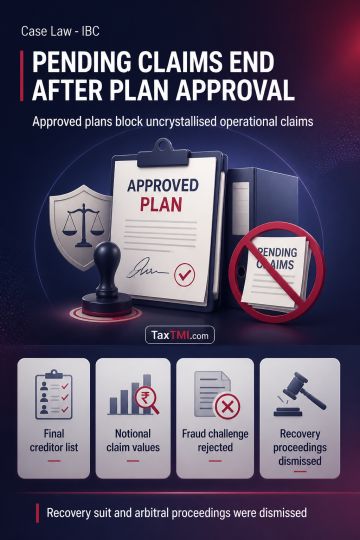
Clean slate principle extinguishes uncrystallised operational claims and bars continuation of pending recovery and arbitral proceedings after plan app...
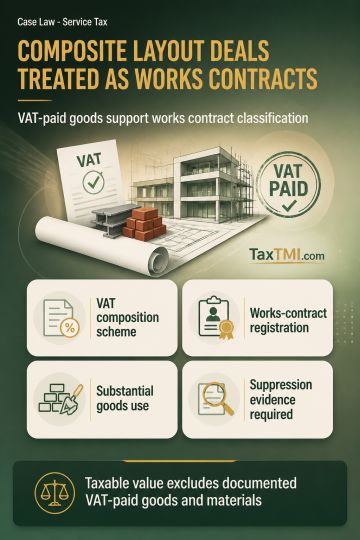
Works contract classification governs composite layout-development contracts where VAT-paid goods are transferred alongside construction and infrastru...
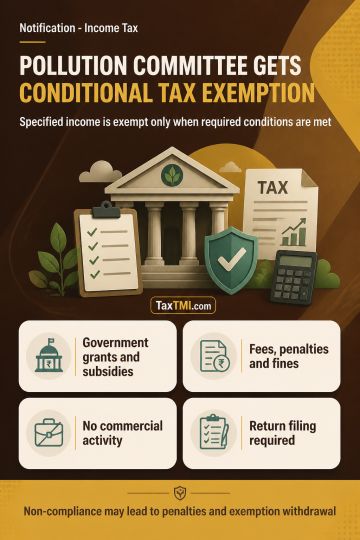
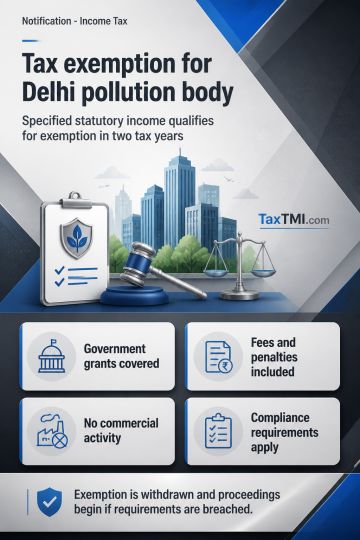
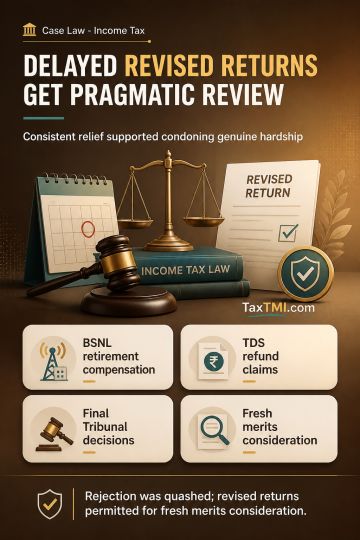
Specified income tax exemption for pollution control body remains conditional on non-commercial activity, unchanged income character, and return filin...
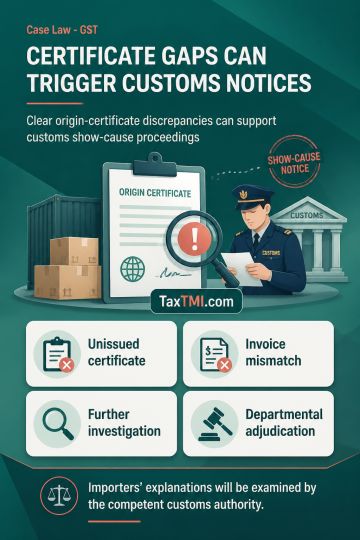
Jurisdictional facts in certificate-of-origin discrepancies can support customs show-cause proceedings, leaving factual explanations for departmental ...
SC upheld the dismissal of the appellants' S.37 appeal, affirming the S.34 order and the arbitral award granting interest, including post-award interest, at 24% p.a. SC reiterated that under S.31(7)(a) the arbitral tribunal may award pre-award interest subject to contractual terms, while under S.31(7)(b) post-award interest is mandatory, with only the rate being discretionary; absent a specified rate, the statutory rate applies. The contractual rate of 24% p.a. was held not to offend public policy under S.34(2)(b), as exorbitance of interest alone does not constitute violation of the fundamental policy of Indian law unless it is shockingly perverse. The challenge based on the Usurious Loans Act, 1918 and related legislation was rejected. The appeal was dismissed.
SC upheld the dismissal of the appellants' S.37 appeal, affirming the S.34 order and the arbitral award granting interest, including post-award interest, at 24% p.a. SC reiterated that under S.31(7)(a) the arbitral tribunal may award pre-award interest subject to contractual terms, while under S.31(7)(b) post-award interest is mandatory, with only the rate being discretionary; absent a specified rate, the statutory rate applies. The contractual rate of 24% p.a. was held not to offend public policy under S.34(2)(b), as exorbitance of interest alone does not constitute violation of the fundamental policy of Indian law unless it is shockingly perverse. The challenge based on the Usurious Loans Act, 1918 and related legislation was rejected. The appeal was dismissed.
Note: It is a system-generated summary and is for quick reference only.
 TaxTMI
 of 4792




 Join Channel


 TaxTMI