Pre-existing operational debt disputes require genuine evidence, while undirected running-account payments may be appropriated on a first-in-first-out...
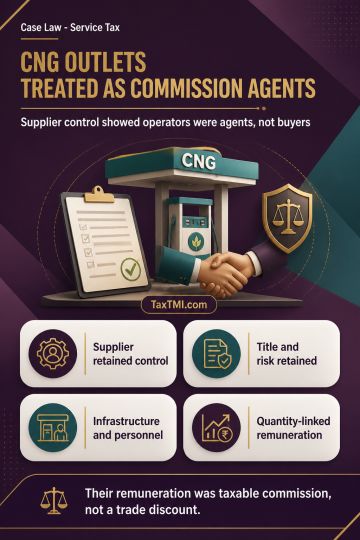
Agency in CNG distribution makes outlet operators commission agents, rendering taxable Business Auxiliary Service rather than purchasing goods for res...
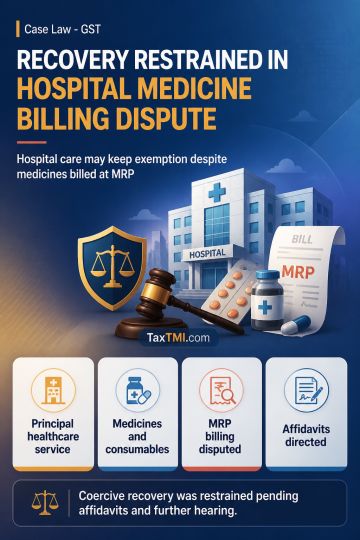
Composite inpatient healthcare supply may retain exemption despite MRP medicine billing, while separate taxable sale characterisation remains disputed...
ITAT dismissed the revenue's appeal and upheld the CIT(A)'s allowance of the assessee's claim under section 14A read with r.w.r. 8D. The Tribunal found the AO's suo-moto disallowance unreasonable and procedurally defective because no contemporaneous satisfaction was recorded to justify overriding the assessee's self-disallowance, and the AO failed to segregate investments yielding exempt income. The AO's computation, which exceeded total P&L expenses and ignored the assessee's working confined to investments producing exempt income, was held to lack logical basis and factual appreciation. Consequently, the excess disallowance imposed by the AO was deleted and the revenue's appeal dismissed.
ITAT dismissed the revenue's appeal and upheld the CIT(A)'s allowance of the assessee's claim under section 14A read with r.w.r. 8D. The Tribunal found the AO's suo-moto disallowance unreasonable and procedurally defective because no contemporaneous satisfaction was recorded to justify overriding the assessee's self-disallowance, and the AO failed to segregate investments yielding exempt income. The AO's computation, which exceeded total P&L expenses and ignored the assessee's working confined to investments producing exempt income, was held to lack logical basis and factual appreciation. Consequently, the excess disallowance imposed by the AO was deleted and the revenue's appeal dismissed.
Note: It is a system-generated summary and is for quick reference only.
 TaxTMI
 of 4800








 Join Channel


 TaxTMI
