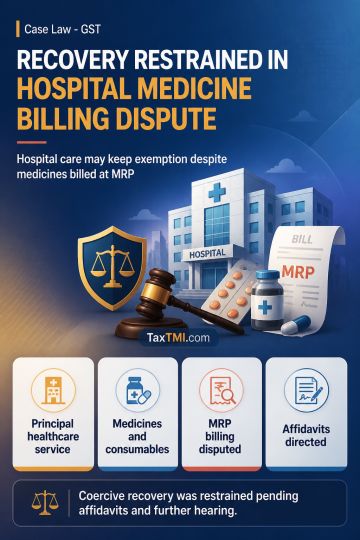
Composite inpatient healthcare supply may retain exemption despite MRP medicine billing, while separate taxable sale characterisation remains disputed...
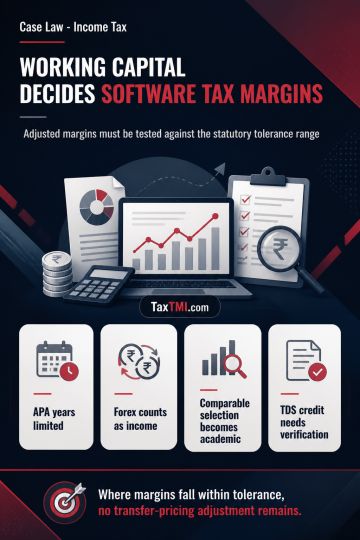
Working-capital adjustment determines whether software-services transfer-pricing margins fall within the statutory tolerance range, eliminating any ad...
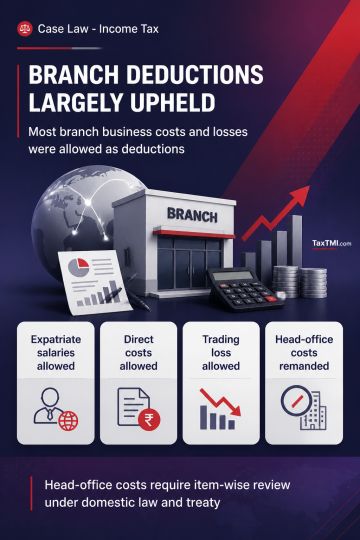
Permanent establishment deductions upheld for expatriate salaries, direct costs and trading losses, while head-office costs require fresh classificati...
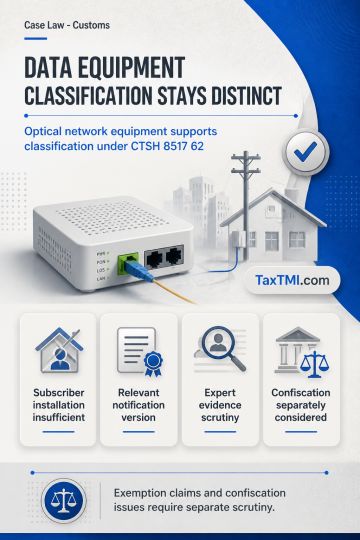
Data transmission equipment classification under CTSH 8517 62 remains distinct from residual classification, with exemption evidence requiring scrutin...
ITAT holds that, applying the ICAI Guidance Note on Real Estate Accounting (Revised 2012), land and development rights qualify as direct project costs but must be excluded when determining the 25% construction-and-development-cost threshold to trigger revenue recognition under the Percentage of Completion Method (POCM); once that threshold is met using construction and development costs, total project costs (including land) determine stage of completion and revenue to be recognized. The taxpayer's POCM application was correct: Phase-1 exceeded the 25% threshold whereas Phase-2A did not (19.5205%), and unreconciled revenue was recognized in subsequent years at unchanged tax rates. Absent evidence of deliberate evasion or inconsistent accounting, ITAT found the AO and lower authority's additions unjustified, directed vacatur of those additions and allowed the taxpayer's appeal.
ITAT holds that, applying the ICAI Guidance Note on Real Estate Accounting (Revised 2012), land and development rights qualify as direct project costs but must be excluded when determining the 25% construction-and-development-cost threshold to trigger revenue recognition under the Percentage of Completion Method (POCM); once that threshold is met using construction and development costs, total project costs (including land) determine stage of completion and revenue to be recognized. The taxpayer's POCM application was correct: Phase-1 exceeded the 25% threshold whereas Phase-2A did not (19.5205%), and unreconciled revenue was recognized in subsequent years at unchanged tax rates. Absent evidence of deliberate evasion or inconsistent accounting, ITAT found the AO and lower authority's additions unjustified, directed vacatur of those additions and allowed the taxpayer's appeal.
Note: It is a system-generated summary and is for quick reference only.
 TaxTMI
 of 4803









 Join Channel


 TaxTMI
