Arrest safeguards and transit remand requirements invalidated detention following inter-State transfer without communicated grounds or magistrate auth...
Arrest safeguards require disclosed grounds, relative intimation and transit remand, while duplicate prosecution under the CGST framework is unsustain...
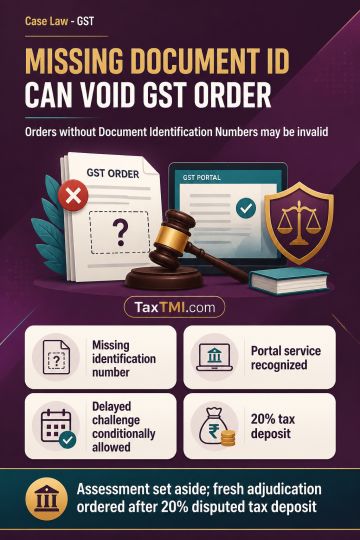
Document Identification Number defects can invalidate GST assessments, with delayed challenges entertained conditionally where patent irregularities e...
Windmill commissioning evidence supported higher depreciation where grid connection and electricity generation proved operational use before the relev...
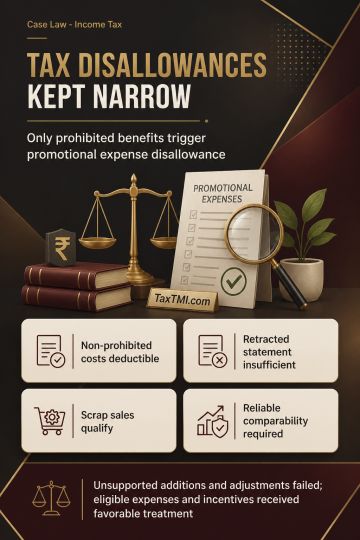
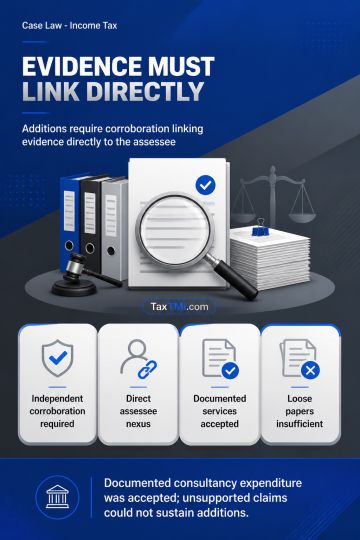
Pharmaceutical promotion and transfer-pricing comparability principles limited disallowances, while uncorroborated search allegations and unsupported ...
Business expenditure substantiation supports scrap credits, statutory payments and expense claims, while depreciation requires proof of actual busines...
The AT affirms the provisional attachment order and dismisses the appeals, holding that the co-lending/service agreements between the NBFC and fintech entities effectively outsourced core management functions, facilitated misuse of borrower data and constituted prima facie commission of offences under sections 417, 419, 420 IPC and sections 66-C, 66-D IT Act. The tribunal finds the fintech entities, by providing funds as a purported "performance guarantee" and receiving guaranteed revenue or service fees, assumed substantive loan-related functions without due diligence, while the NBFC obtained assured returns without capital exposure. The appellants' contention of limited fintech involvement is rejected as the agreements demonstrate delegation of non-permissible core activities.
The AT affirms the provisional attachment order and dismisses the appeals, holding that the co-lending/service agreements between the NBFC and fintech entities effectively outsourced core management functions, facilitated misuse of borrower data and constituted prima facie commission of offences under sections 417, 419, 420 IPC and sections 66-C, 66-D IT Act. The tribunal finds the fintech entities, by providing funds as a purported "performance guarantee" and receiving guaranteed revenue or service fees, assumed substantive loan-related functions without due diligence, while the NBFC obtained assured returns without capital exposure. The appellants' contention of limited fintech involvement is rejected as the agreements demonstrate delegation of non-permissible core activities.
Note: It is a system-generated summary and is for quick reference only.
 TaxTMI
 of 4792


















 Join Channel


 TaxTMI