Bogus donation receipts justified commission income assessment and defeated political-party tax exemption for inaccurate accounts and reporting failur...
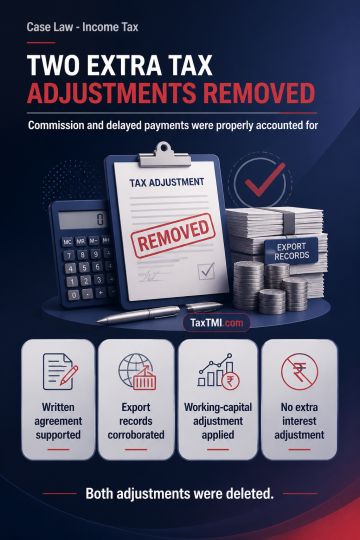
Pure reimbursement without income element escapes tax withholding, while delayed withholding and unsupported provisions face deferred or renewed scrut...
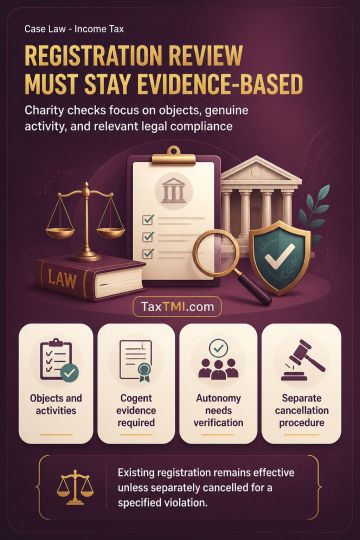
Public benefit requirement defeats charitable registration where residents' association services are reciprocal, member-only facilities governed by mu...
Exempt-income expenditure disallowance is confined to investments that actually generated exempt income, while supported business expenses remain dedu...
The AT affirms the provisional attachment order and dismisses the appeals, holding that the co-lending/service agreements between the NBFC and fintech entities effectively outsourced core management functions, facilitated misuse of borrower data and constituted prima facie commission of offences under sections 417, 419, 420 IPC and sections 66-C, 66-D IT Act. The tribunal finds the fintech entities, by providing funds as a purported "performance guarantee" and receiving guaranteed revenue or service fees, assumed substantive loan-related functions without due diligence, while the NBFC obtained assured returns without capital exposure. The appellants' contention of limited fintech involvement is rejected as the agreements demonstrate delegation of non-permissible core activities.
The AT affirms the provisional attachment order and dismisses the appeals, holding that the co-lending/service agreements between the NBFC and fintech entities effectively outsourced core management functions, facilitated misuse of borrower data and constituted prima facie commission of offences under sections 417, 419, 420 IPC and sections 66-C, 66-D IT Act. The tribunal finds the fintech entities, by providing funds as a purported "performance guarantee" and receiving guaranteed revenue or service fees, assumed substantive loan-related functions without due diligence, while the NBFC obtained assured returns without capital exposure. The appellants' contention of limited fintech involvement is rejected as the agreements demonstrate delegation of non-permissible core activities.
Note: It is a system-generated summary and is for quick reference only.
 TaxTMI
 of 4792













 Join Channel


 TaxTMI