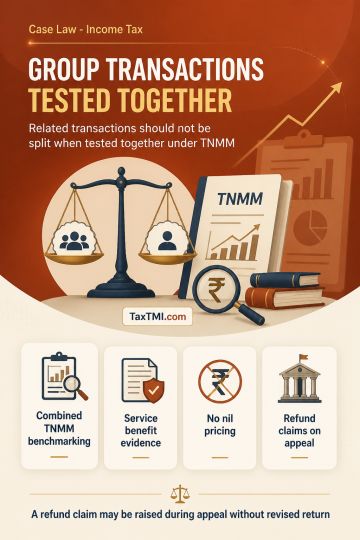
Aggregation under TNMM prevents selective testing of intra-group services without comparable uncontrolled transactions, while appellate additional cla...
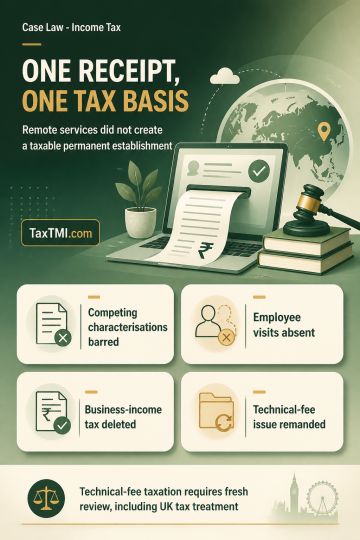
Protective assessment cannot duplicate identical receipts under competing characterisations; remote services did not establish a taxable permanent est...
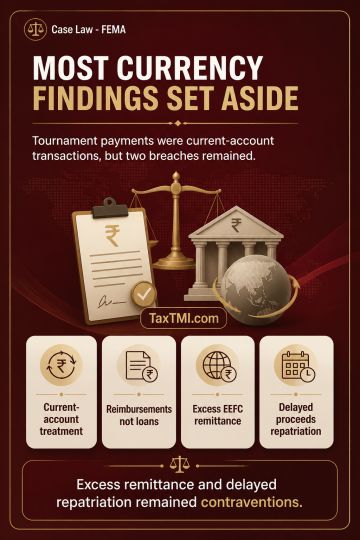
Current account treatment of overseas tournament services removed most FEMA findings, but excess EEFC remittance and delayed repatriation remained bre...
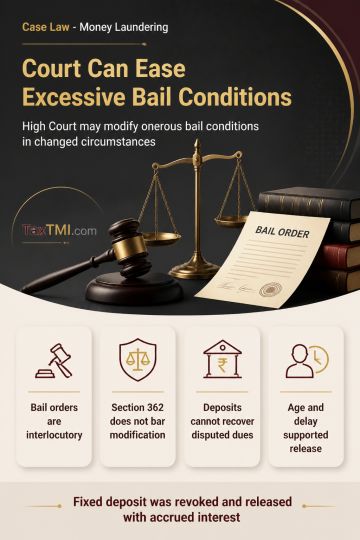
Modification of bail conditions remains available through inherent jurisdiction where onerous deposits undermine justice and cannot recover disputed d...
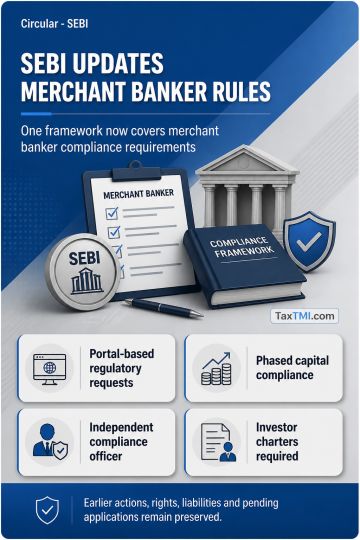
Merchant banker regulation consolidates registration, governance, capital, reporting, outsourcing and investor-protection requirements under an update...
AAR held that fusible interlining fabric composed of 85% or more cotton is classifiable under Chapter 52 of the Tariff Schedule. Relying on the legal effect of the Tribunal's prior order and Circular No. 5/89 concerning the treatment of fusible interlinings before the insertion and after deletion of Note 2(c) to Chapter 59, the Authority concluded that such goods are to be classified according to their predominant textile material; where cotton predominates, Chapter 52 applies. The applicant's submitted laboratory test establishing textile composition governed the classification outcome, resulting in duty treatment and tariff classification under Chapter 52.
AAR held that fusible interlining fabric composed of 85% or more cotton is classifiable under Chapter 52 of the Tariff Schedule. Relying on the legal effect of the Tribunal's prior order and Circular No. 5/89 concerning the treatment of fusible interlinings before the insertion and after deletion of Note 2(c) to Chapter 59, the Authority concluded that such goods are to be classified according to their predominant textile material; where cotton predominates, Chapter 52 applies. The applicant's submitted laboratory test establishing textile composition governed the classification outcome, resulting in duty treatment and tariff classification under Chapter 52.
Note: It is a system-generated summary and is for quick reference only.
 TaxTMI
 of 4798




 Join Channel


 TaxTMI