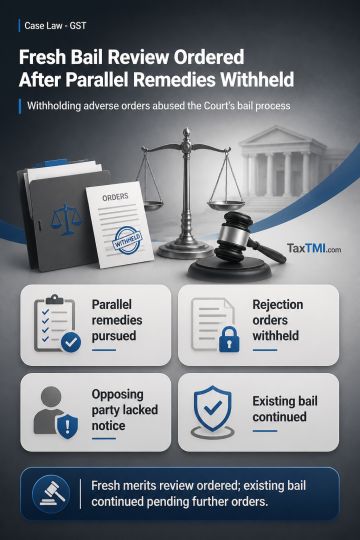
Money-laundering judgment timing requires awaiting the scheduled-offence decision despite continuation of the underlying trial where outcomes directly...
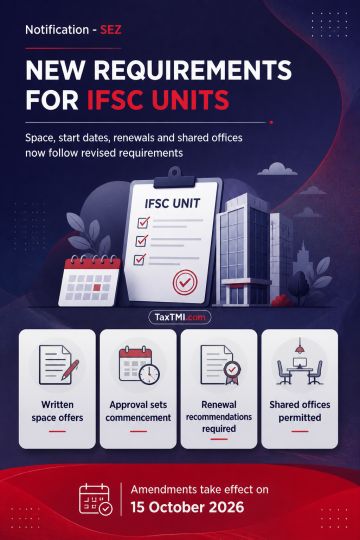
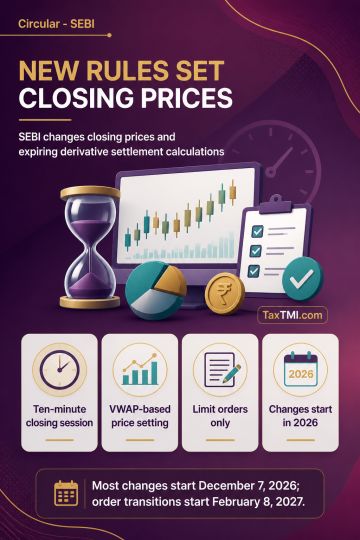
Accredited investor eligibility expands through securities-market exposure, while alternative investment fund disputes require prescribed resolution a...
Customs Assessment Portal centralises classification and valuation guidance to support consistent, transparent and informed compliance across stakehol...
ITAT dismissed the Revenue's appeal, holding that the immovable properties were "transferred" within the meaning of s. 2(47)(vi) of the Act. The tribunal accepted the appellate authority's finding that the retired partner enjoyed and used the properties for business purposes post-retirement and received the entire sale consideration, establishing beneficial ownership despite registration remaining in the assessee's records. Consequently, capital gains arising from the transfer are assessable in the hands of the retired partner, not the assessee, and the absence of a return disclosing the gain by the retired partner does not justify taxing the assessee. Appeal of the Revenue rejected.
ITAT dismissed the Revenue's appeal, holding that the immovable properties were "transferred" within the meaning of s. 2(47)(vi) of the Act. The tribunal accepted the appellate authority's finding that the retired partner enjoyed and used the properties for business purposes post-retirement and received the entire sale consideration, establishing beneficial ownership despite registration remaining in the assessee's records. Consequently, capital gains arising from the transfer are assessable in the hands of the retired partner, not the assessee, and the absence of a return disclosing the gain by the retired partner does not justify taxing the assessee. Appeal of the Revenue rejected.
Note: It is a system-generated summary and is for quick reference only.
 TaxTMI
  TaxTMI
 of 4920