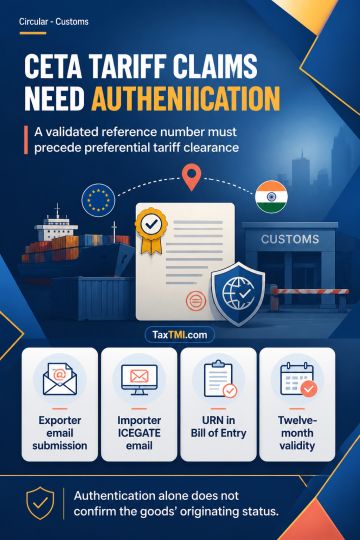
Origin Declaration authentication governs preferential tariff claims under India-UK CETA, requiring a validated reference number before import clearan...
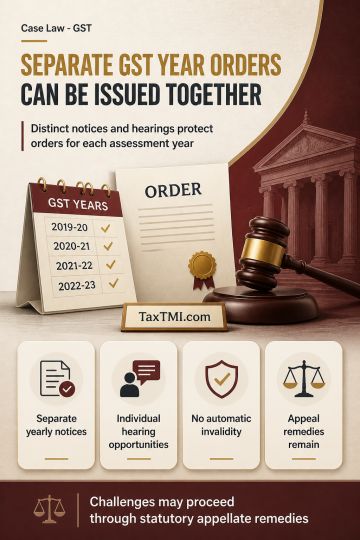
Separate assessment orders for different years remain valid when distinct notices and hearing opportunities prevent prejudice from combined proceeding...
Defined public benefit can retain charitable character; registration renewal requires examining genuine activities and legal compliance, not surplus a...
Capital reduction is distinct from share buy-back, preventing buy-back tax; restructuring interest and related business deductions also survive scruti...
ITAT set aside additions under s.69A treating unsecured loans as unexplained money and allowed the assessee's appeal. The Tribunal found that the assessee furnished creditor details, ITR acknowledgements, accounts, bank statements and confirmations, and complied with s.133(6) and s.131 summonses, thereby discharging the initial onus; the burden accordingly shifted to the revenue, which failed to controvert or impugn the documents or point to any material defect. The AO's treatment of raised unsecured loans as unexplained cash was held contrary to the statutory scope of s.69A and the CIT(A)'s confirmation of that view was reversed.
ITAT set aside additions under s.69A treating unsecured loans as unexplained money and allowed the assessee's appeal. The Tribunal found that the assessee furnished creditor details, ITR acknowledgements, accounts, bank statements and confirmations, and complied with s.133(6) and s.131 summonses, thereby discharging the initial onus; the burden accordingly shifted to the revenue, which failed to controvert or impugn the documents or point to any material defect. The AO's treatment of raised unsecured loans as unexplained cash was held contrary to the statutory scope of s.69A and the CIT(A)'s confirmation of that view was reversed.
Note: It is a system-generated summary and is for quick reference only.
 TaxTMI
 of 4803


















 Join Channel


 TaxTMI
