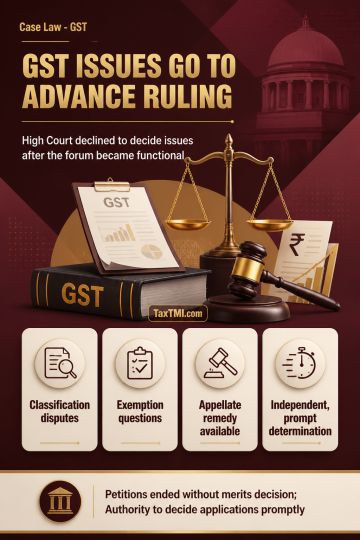
Advance-ruling mechanism governs pending GST classification, exemption and taxability disputes, limiting writ review once the specialised forum functi...
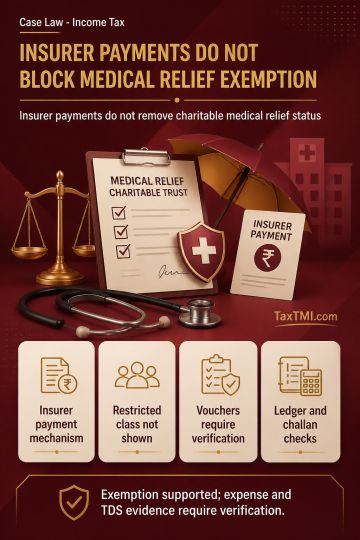
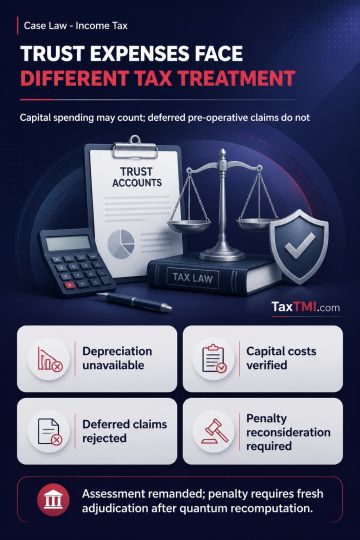
Charitable trust income application permits verified capital expenditure but rejects deferred pre-operative claims and requires reconsideration of con...
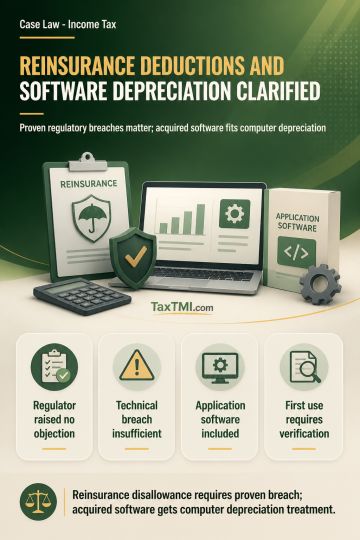
Reinsurance premium deductions require established regulatory breaches, while independently acquired software qualifies within the computer depreciati...
The NCLAT allowed the appeal, set aside the impugned NCLT direction to convene meetings of remaining unsecured creditors and dispensed with the requirement to hold such meetings under Section 230 of the Companies Act. The Tribunal held that the NCLT's mandate to convene meetings despite recorded consents exceeding the 90% by value threshold constituted jurisdictional overreach and was legally unsustainable, particularly where the transferee's net worth materially improves post-scheme and unsecured claims are negligible relative to net worth. Applying Sections 230(6) and 230(9), the NCLAT concluded there is no compromise of unsecured creditors' rights and no necessity to call meetings, and accordingly allowed the appeal.
The NCLAT allowed the appeal, set aside the impugned NCLT direction to convene meetings of remaining unsecured creditors and dispensed with the requirement to hold such meetings under Section 230 of the Companies Act. The Tribunal held that the NCLT's mandate to convene meetings despite recorded consents exceeding the 90% by value threshold constituted jurisdictional overreach and was legally unsustainable, particularly where the transferee's net worth materially improves post-scheme and unsecured claims are negligible relative to net worth. Applying Sections 230(6) and 230(9), the NCLAT concluded there is no compromise of unsecured creditors' rights and no necessity to call meetings, and accordingly allowed the appeal.
Note: It is a system-generated summary and is for quick reference only.
 TaxTMI
 of 4792



 Join Channel


 TaxTMI