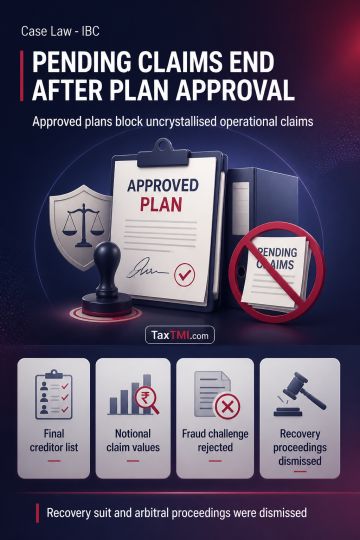
Clean slate principle extinguishes uncrystallised operational claims and bars continuation of pending recovery and arbitral proceedings after plan app...
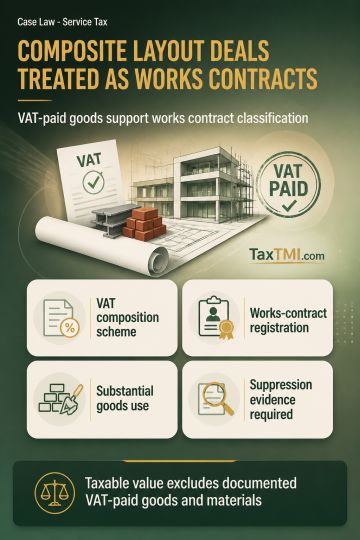
Works contract classification governs composite layout-development contracts where VAT-paid goods are transferred alongside construction and infrastru...
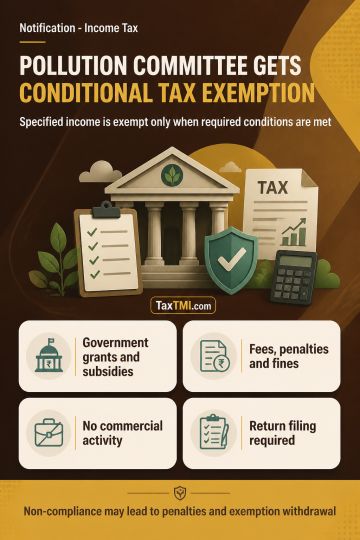
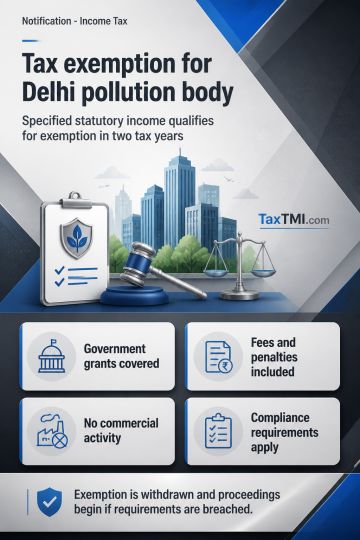
Specified income tax exemption for pollution control body remains conditional on non-commercial activity, unchanged income character, and return filin...
ITAT held that where the payee has declared the receipts and discharged tax liability, the payer cannot be treated as an assessee in default under s.201/201(1A); the AO must first ascertain default before invoking disallowance. Applying this principle, the Tribunal found the taxpayer's contract involved a 4% supervision margin payable to the contractor for construction of an institutional facility and, given the charitable context and non-commencement of the project, afforded the assessee the benefit of doubt. The AO was directed to treat only the 4% margin as fees chargeable under s.194J. Other administrative and allied payments were sustained. Grounds were accordingly partly allowed.
ITAT held that where the payee has declared the receipts and discharged tax liability, the payer cannot be treated as an assessee in default under s.201/201(1A); the AO must first ascertain default before invoking disallowance. Applying this principle, the Tribunal found the taxpayer's contract involved a 4% supervision margin payable to the contractor for construction of an institutional facility and, given the charitable context and non-commencement of the project, afforded the assessee the benefit of doubt. The AO was directed to treat only the 4% margin as fees chargeable under s.194J. Other administrative and allied payments were sustained. Grounds were accordingly partly allowed.
Note: It is a system-generated summary and is for quick reference only.
 TaxTMI
 of 4801













 Join Channel


 TaxTMI