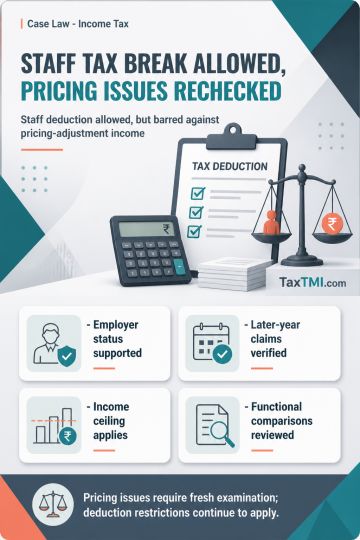
Section 80JJAA employee-cost deduction allowed for deployed staff but barred against transfer-pricing income enhancement, with pricing issues remanded...
Transfer-pricing methodology protects commercially genuine associated-enterprise payments, while pre-2016 secondary adjustments and related notional i...
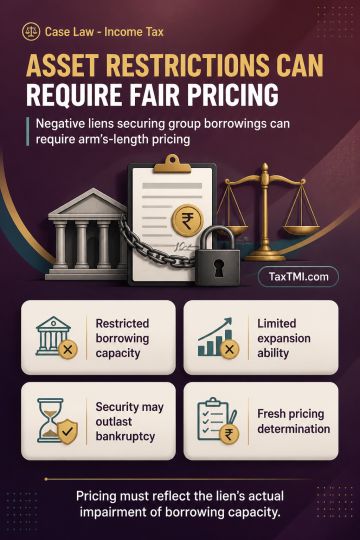
Negative liens over operating assets can constitute international transactions requiring arm's-length pricing reflecting restricted borrowing and expa...
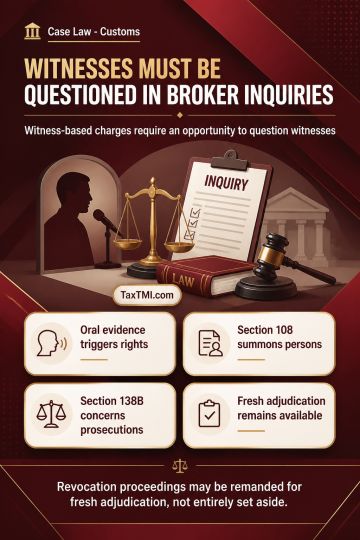
Cross-examination rights in Customs Broker revocation inquiries require witness examination; procedural denial may be cured through fresh adjudication...
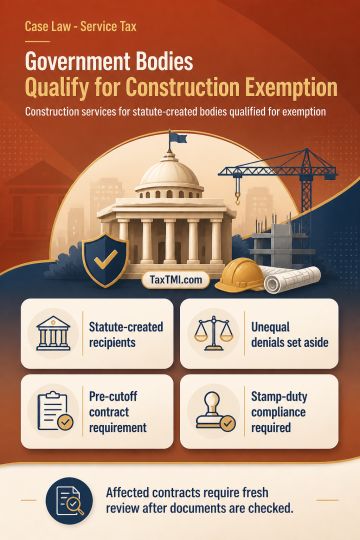
Governmental authority status supports construction-service exemption, while pre-cutoff contract and stamp-duty compliance requires verification on re...
Page of 4826
Press 'Enter' after typing page number.
81 to 100 of 96510 Results
❮
❯
❯❯
0 / 200
Expand Note
Add to Folder
No Folders have been created
+
Are you sure you want to delete "My most important" ?
The ITAT affirmed the PCIT's exercise of revisional jurisdiction under section 263, dismissing all grounds urged by the assessee. The Tribunal held that challenges to the jurisdictional validity of the original assessment for lack of notice under section 143(2) were not admissible in a revision appeal and were untimely, leaving the assessee free to raise them in proceedings on the assessment. The claim that receipts arose from three distinct educational institutions attracting exemption under section 10(23C)(iiiad) failed for want of a return claim, non-compliance and absence of verifiable recognition for multiple entities. The AO's allowance of 85% expenditure without adequate verification was found erroneous and prejudicial, and the revision order setting aside the assessment was upheld.
The ITAT affirmed the PCIT's exercise of revisional jurisdiction under section 263, dismissing all grounds urged by the assessee. The Tribunal held that challenges to the jurisdictional validity of the original assessment for lack of notice under section 143(2) were not admissible in a revision appeal and were untimely, leaving the assessee free to raise them in proceedings on the assessment. The claim that receipts arose from three distinct educational institutions attracting exemption under section 10(23C)(iiiad) failed for want of a return claim, non-compliance and absence of verifiable recognition for multiple entities. The AO's allowance of 85% expenditure without adequate verification was found erroneous and prejudicial, and the revision order setting aside the assessment was upheld.
Note: It is a system-generated summary and is for quick reference only.
 TaxTMI
  TaxTMI
 of 4826

















 Join Channel


