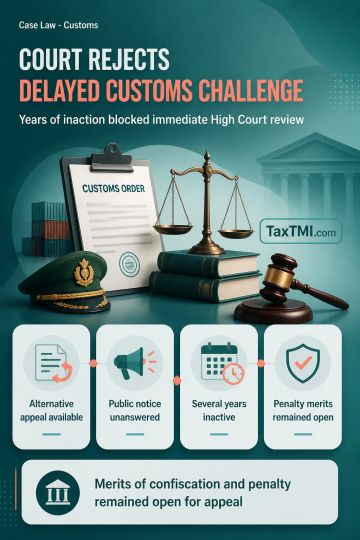
Alternative statutory remedy and unexplained delay barred writ review of customs confiscation adjudication, leaving merits for appellate consideration...
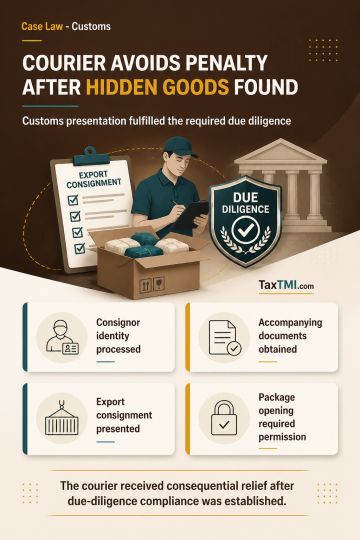
Authorised courier due diligence protects against penalties where declared exports conceal prohibited goods despite proper documentation and customs p...
Customs-controlled container movement now extends to DP World facilities, subject to segregation, inspections, reconciliation, and EXIM cargo priority...
ITAT allowed the appeal of the assessee (an AOP), held that receipts characterised as donations returned to the entity did not attract exclusion under principles of mutuality, and directed the AO to delete the disallowances and additions. The Tribunal found the assessee's dominant activity (petrol bunk business) involved sales to members and non-members, discounts/rebates constituted ordinary business expenditure and were allowable under the tax law when net profit was offered to tax. The Tribunal rejected the AO's recharacterisation and reassessment under jurisdictional review, concluded there was identity between contributors and beneficiaries, distinguished the contrary authority, and upheld the assessee's return of income.
ITAT allowed the appeal of the assessee (an AOP), held that receipts characterised as donations returned to the entity did not attract exclusion under principles of mutuality, and directed the AO to delete the disallowances and additions. The Tribunal found the assessee's dominant activity (petrol bunk business) involved sales to members and non-members, discounts/rebates constituted ordinary business expenditure and were allowable under the tax law when net profit was offered to tax. The Tribunal rejected the AO's recharacterisation and reassessment under jurisdictional review, concluded there was identity between contributors and beneficiaries, distinguished the contrary authority, and upheld the assessee's return of income.
Note: It is a system-generated summary and is for quick reference only.
 TaxTMI
  TaxTMI
 of 4827











 Join Channel


