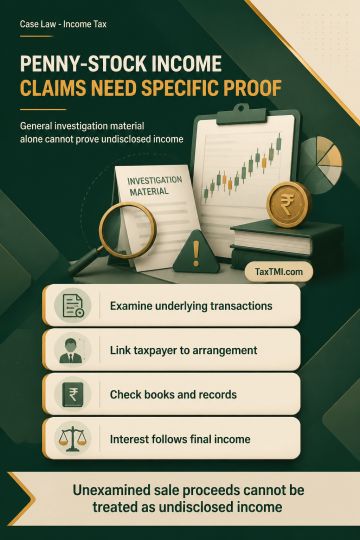
Penny-stock additions require transaction-specific evidence; general investigation material alone cannot establish undisclosed income or accommodation...
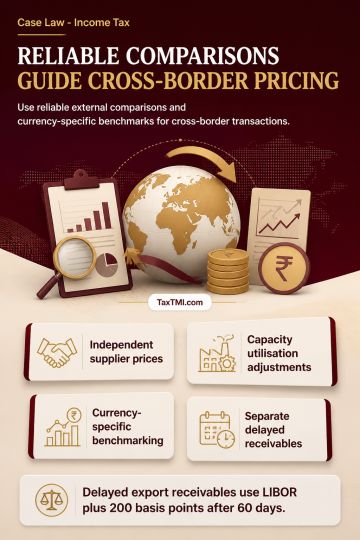
Transfer pricing comparability prioritises reliable external CUPs and foreign-currency LIBOR benchmarks for exports, borrowings and delayed receivable...
Section 153C satisfaction and seized electronic records sustained unexplained-investment addition, subject to proportionate ownership-share verificati...
ITAT allowed the appeal of the assessee (an AOP), held that receipts characterised as donations returned to the entity did not attract exclusion under principles of mutuality, and directed the AO to delete the disallowances and additions. The Tribunal found the assessee's dominant activity (petrol bunk business) involved sales to members and non-members, discounts/rebates constituted ordinary business expenditure and were allowable under the tax law when net profit was offered to tax. The Tribunal rejected the AO's recharacterisation and reassessment under jurisdictional review, concluded there was identity between contributors and beneficiaries, distinguished the contrary authority, and upheld the assessee's return of income.
ITAT allowed the appeal of the assessee (an AOP), held that receipts characterised as donations returned to the entity did not attract exclusion under principles of mutuality, and directed the AO to delete the disallowances and additions. The Tribunal found the assessee's dominant activity (petrol bunk business) involved sales to members and non-members, discounts/rebates constituted ordinary business expenditure and were allowable under the tax law when net profit was offered to tax. The Tribunal rejected the AO's recharacterisation and reassessment under jurisdictional review, concluded there was identity between contributors and beneficiaries, distinguished the contrary authority, and upheld the assessee's return of income.
Note: It is a system-generated summary and is for quick reference only.
 TaxTMI
  TaxTMI
 of 4828











 Join Channel


