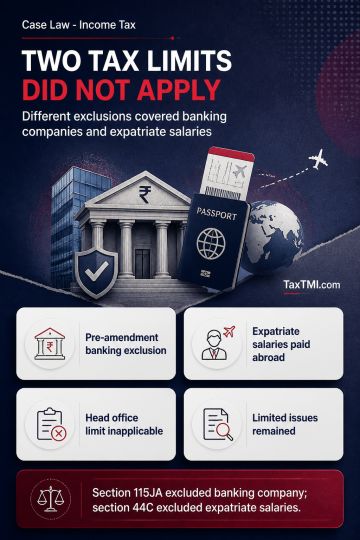
Minimum alternate tax exclusions for pre-amendment banking companies and expatriate Indian branch salaries remain outside head office expenditure limi...
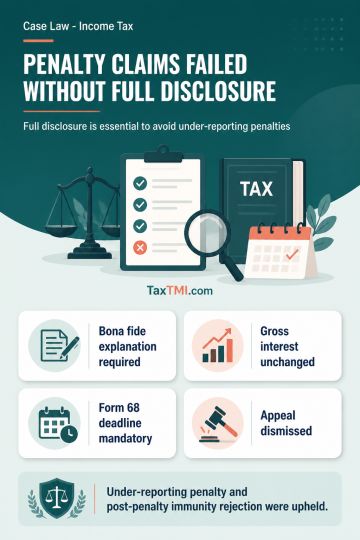
Bona fide disclosure requirements govern under-reporting penalties, and post-penalty immunity applications cannot secure available statutory protectio...
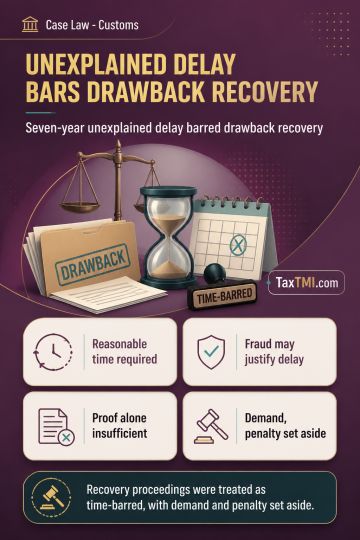
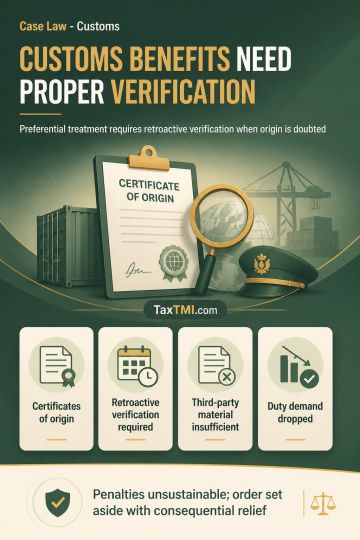
Certificate-of-origin verification procedure governs preferential customs benefits; denial without retroactive verification was set aside with consequ...
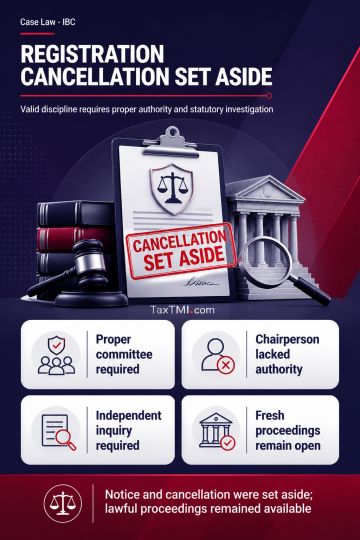
Disciplinary Committee jurisdiction and mandatory investigation requirements invalidated cancellation of an insolvency professional's registration and...
The HC dismissed the petition for bail and remanded the petitioner in custody. The court held there existed reasonable grounds to believe the petitioner committed offences under s.132(1) of the CGST Act, 2017, for wrongfully availing and passing on ineligible ITC totalling Rs. 19.76 crores, exceeding the statutory threshold. A clerical error in the arrest authorization did not vitiate the reasons to believe, which were otherwise specific and reasoned. As investigation remained incomplete, several co-accused were absconding, and there was a real risk of evidence tampering, the court concluded that bail would impede the probe and therefore refused relief.
The HC dismissed the petition for bail and remanded the petitioner in custody. The court held there existed reasonable grounds to believe the petitioner committed offences under s.132(1) of the CGST Act, 2017, for wrongfully availing and passing on ineligible ITC totalling Rs. 19.76 crores, exceeding the statutory threshold. A clerical error in the arrest authorization did not vitiate the reasons to believe, which were otherwise specific and reasoned. As investigation remained incomplete, several co-accused were absconding, and there was a real risk of evidence tampering, the court concluded that bail would impede the probe and therefore refused relief.
Note: It is a system-generated summary and is for quick reference only.
 TaxTMI
 of 4801





 Join Channel


 TaxTMI