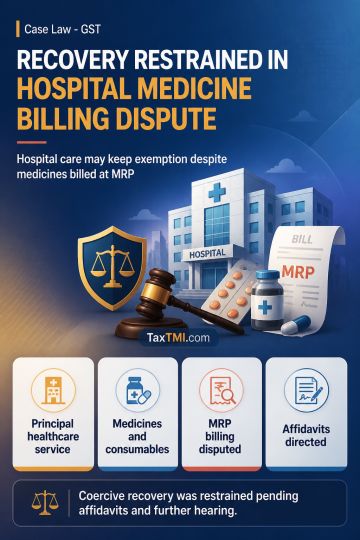
Composite inpatient healthcare supply may retain exemption despite MRP medicine billing, while separate taxable sale characterisation remains disputed...
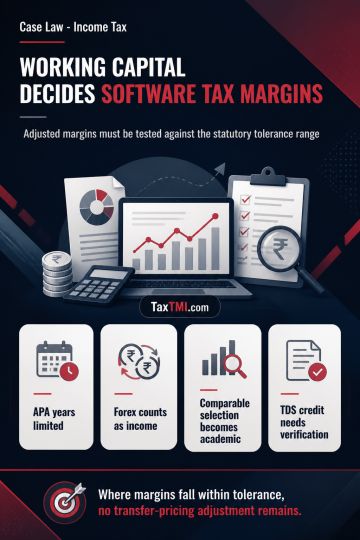
Working-capital adjustment determines whether software-services transfer-pricing margins fall within the statutory tolerance range, eliminating any ad...
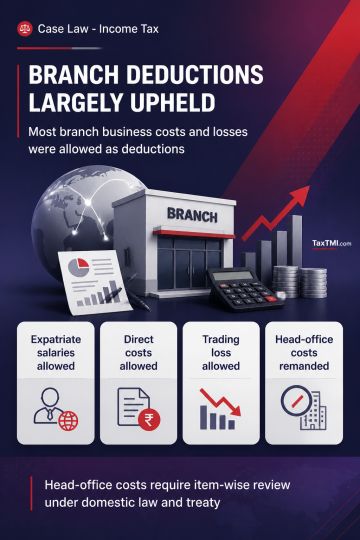
Permanent establishment deductions upheld for expatriate salaries, direct costs and trading losses, while head-office costs require fresh classificati...
The HC allowed the petition and quashed the impugned detention orders, holding that detention of goods was unsustainable where the goods, moving under a commercial agreement with a government entity, were accompanied by a genuine tax invoice and an e-way bill that expired due to a vehicular breakdown; a fresh e-way bill was generated prior to the issuance of an order under s.129(3) of the GST Act. The court found no evidence of mens rea to evade tax, and held that mere expiry of an e-way bill, in the context of an unexplained mechanical delay and prompt re-generation of the document, cannot be equated with intent to evade tax.
The HC allowed the petition and quashed the impugned detention orders, holding that detention of goods was unsustainable where the goods, moving under a commercial agreement with a government entity, were accompanied by a genuine tax invoice and an e-way bill that expired due to a vehicular breakdown; a fresh e-way bill was generated prior to the issuance of an order under s.129(3) of the GST Act. The court found no evidence of mens rea to evade tax, and held that mere expiry of an e-way bill, in the context of an unexplained mechanical delay and prompt re-generation of the document, cannot be equated with intent to evade tax.
Note: It is a system-generated summary and is for quick reference only.
 TaxTMI
 of 4805




 Join Channel


 TaxTMI
