Defined public benefit can retain charitable character; registration renewal requires examining genuine activities and legal compliance, not surplus a...
Capital reduction is distinct from share buy-back, preventing buy-back tax; restructuring interest and related business deductions also survive scruti...
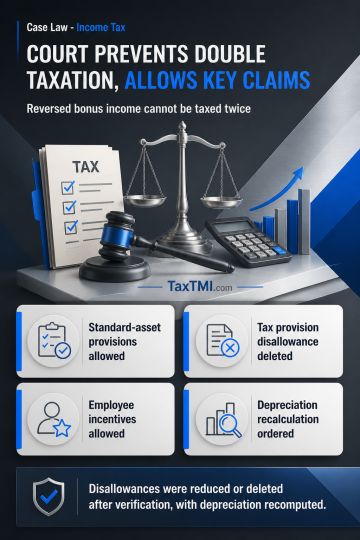
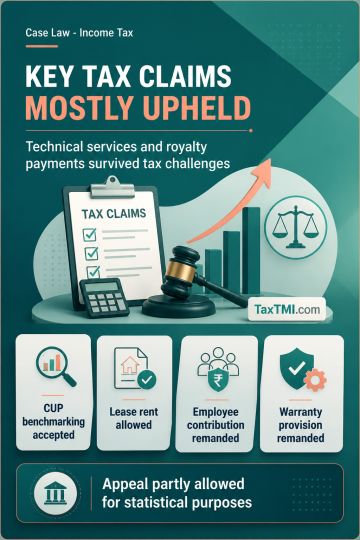
Transfer pricing and tax deductions upheld on established principles, while employee contributions and warranty provisions returned for fresh examinat...
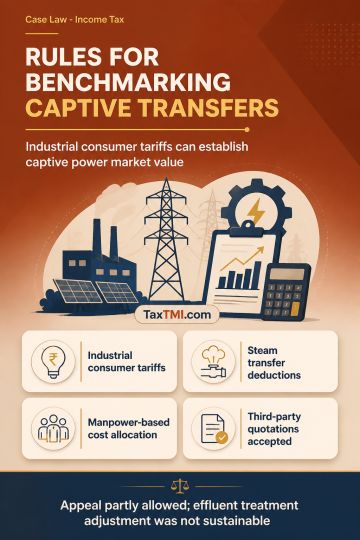
Captive transfer pricing relies on industrial consumer tariffs, while genuine quotations can benchmark effluent treatment transfers under the Other Me...
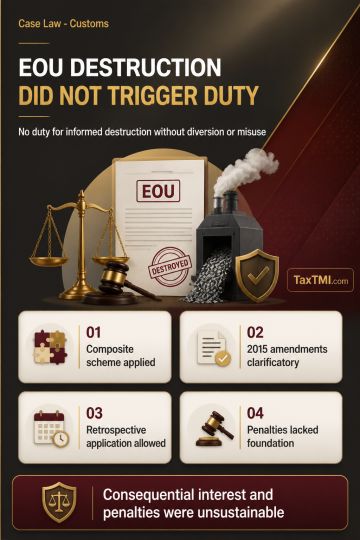
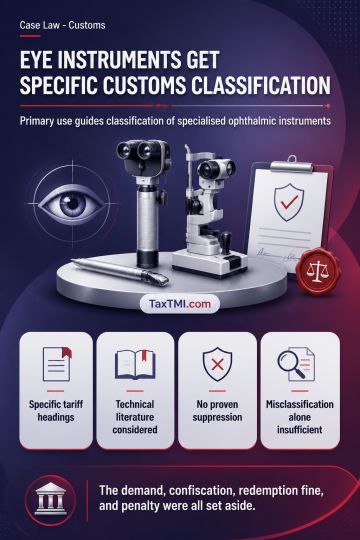
Specific tariff classification for ophthalmic instruments and extended limitation principles determine the treatment of duty demands, confiscation, an...
ITAT finds the impugned CIT(A) order to be cryptic and nonspeaking, lacking independent findings and adequate application of mind to the assessee's submissions and bank records; it also records the AO's failure, without satisfactory explanation, to file the remand report despite two opportunities. Noting absence of evidence for the revenue's asserted reasons for non-compliance, and that the AO proceeded to assess under section 144 without full compliance by the assessee, ITAT sets aside the CIT(A) order and remands the matter to the AO for fresh adjudication. AO is directed to examine the additional evidence produced by the assessee, obtain any necessary bank records, and decide the matter on merits.
ITAT finds the impugned CIT(A) order to be cryptic and nonspeaking, lacking independent findings and adequate application of mind to the assessee's submissions and bank records; it also records the AO's failure, without satisfactory explanation, to file the remand report despite two opportunities. Noting absence of evidence for the revenue's asserted reasons for non-compliance, and that the AO proceeded to assess under section 144 without full compliance by the assessee, ITAT sets aside the CIT(A) order and remands the matter to the AO for fresh adjudication. AO is directed to examine the additional evidence produced by the assessee, obtain any necessary bank records, and decide the matter on merits.
Note: It is a system-generated summary and is for quick reference only.
 TaxTMI
 of 4805










 Join Channel


 TaxTMI