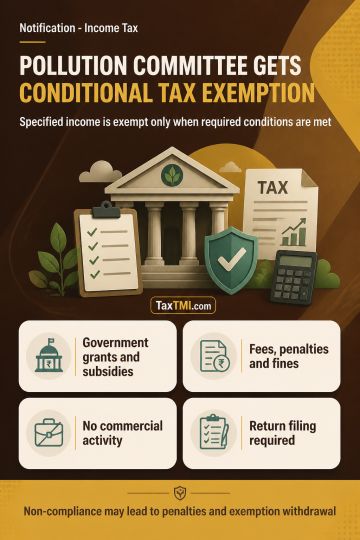
Specified income tax exemption for pollution control body remains conditional on non-commercial activity, unchanged income character, and return filin...
Jurisdictional facts in certificate-of-origin discrepancies can support customs show-cause proceedings, leaving factual explanations for departmental ...
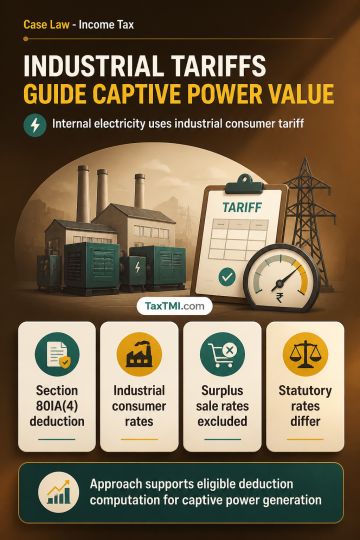
Market value for captive electricity consumption follows industrial consumer tariffs, supporting profit computation for the power generation deduction...
CESTAT allows the appeal, sets aside the impugned order and remands the matter to the first appellate authority for fresh adjudication. The Tribunal found the impugned conditions and the reversal of the amendment unsustainable insofar as they rest on an undetermined premise whether the relevant bill of lading was "non-negotiable" and whether a no-objection or deemed-warehousing permission under ss. 47-49 and s.30 of the Customs Act was required or granted. The first appellate authority erred in deferring duty payment and regularizing retention without record of statutory permission and without first determining its competence and the nature of the bill of lading; those issues are to be decided afresh.
CESTAT allows the appeal, sets aside the impugned order and remands the matter to the first appellate authority for fresh adjudication. The Tribunal found the impugned conditions and the reversal of the amendment unsustainable insofar as they rest on an undetermined premise whether the relevant bill of lading was "non-negotiable" and whether a no-objection or deemed-warehousing permission under ss. 47-49 and s.30 of the Customs Act was required or granted. The first appellate authority erred in deferring duty payment and regularizing retention without record of statutory permission and without first determining its competence and the nature of the bill of lading; those issues are to be decided afresh.
Note: It is a system-generated summary and is for quick reference only.
 TaxTMI
 of 4803














 Join Channel


 TaxTMI
