Pre-existing operational debt disputes require genuine evidence, while undirected running-account payments may be appropriated on a first-in-first-out...
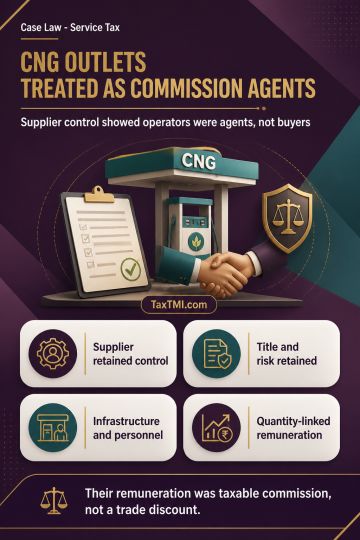
Agency in CNG distribution makes outlet operators commission agents, rendering taxable Business Auxiliary Service rather than purchasing goods for res...
Composite inpatient healthcare supply may retain exemption despite MRP medicine billing, while separate taxable sale characterisation remains disputed...
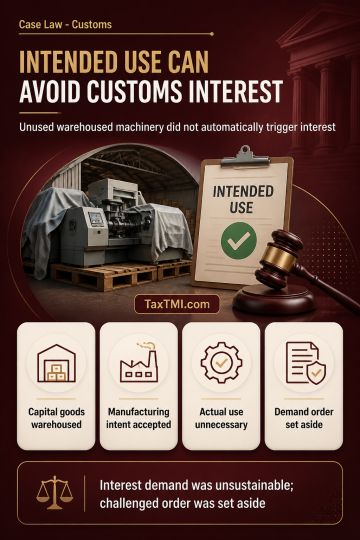
CESTAT allows the appeal, sets aside the impugned order and remands the matter to the first appellate authority for fresh adjudication. The Tribunal found the impugned conditions and the reversal of the amendment unsustainable insofar as they rest on an undetermined premise whether the relevant bill of lading was "non-negotiable" and whether a no-objection or deemed-warehousing permission under ss. 47-49 and s.30 of the Customs Act was required or granted. The first appellate authority erred in deferring duty payment and regularizing retention without record of statutory permission and without first determining its competence and the nature of the bill of lading; those issues are to be decided afresh.
CESTAT allows the appeal, sets aside the impugned order and remands the matter to the first appellate authority for fresh adjudication. The Tribunal found the impugned conditions and the reversal of the amendment unsustainable insofar as they rest on an undetermined premise whether the relevant bill of lading was "non-negotiable" and whether a no-objection or deemed-warehousing permission under ss. 47-49 and s.30 of the Customs Act was required or granted. The first appellate authority erred in deferring duty payment and regularizing retention without record of statutory permission and without first determining its competence and the nature of the bill of lading; those issues are to be decided afresh.
Note: It is a system-generated summary and is for quick reference only.
 TaxTMI
 of 4801









 Join Channel


 TaxTMI