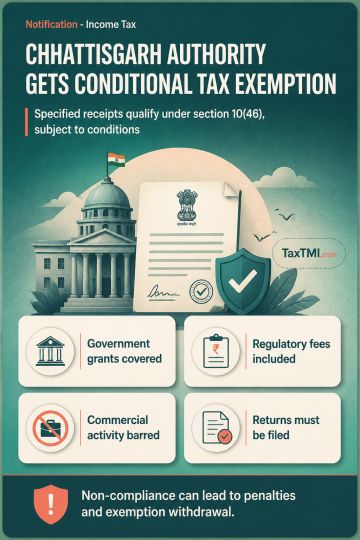
Specified regulatory authority income receives conditional tax exemption, subject to non-commercial activity, unchanged income character, and return f...
Tax exemption for regulatory authority income applies retrospectively, subject to non-commercial activity, unchanged income sources, and return-filing...
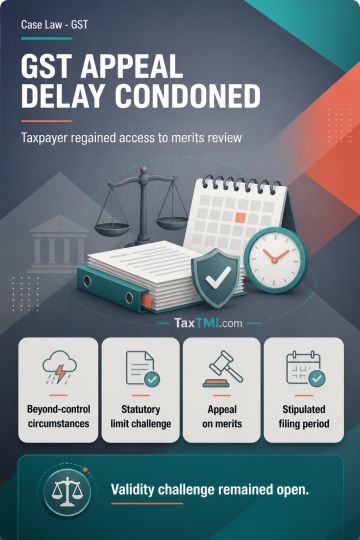
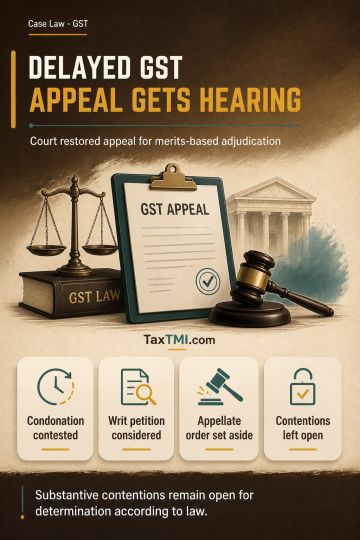
Input tax credit conditions remain constitutionally valid, with eligible recipient claims considered under GST circulars and retrospective filing dead...
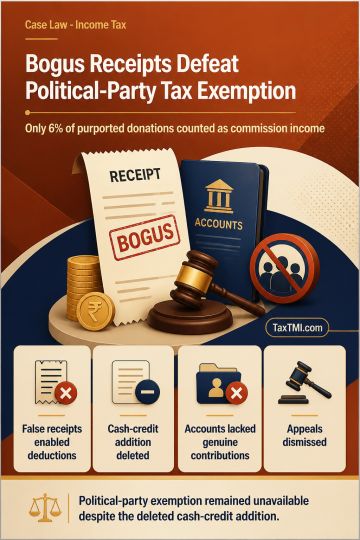
Bogus donation receipts justified commission income assessment and defeated political-party tax exemption for inaccurate accounts and reporting failur...
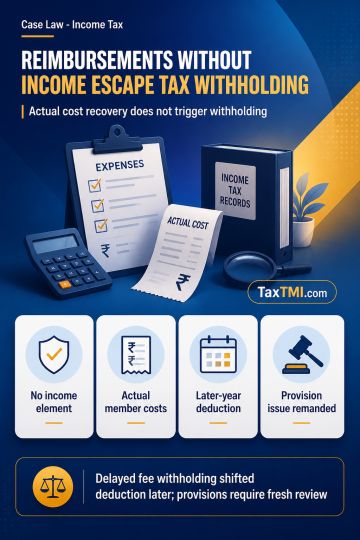
Pure reimbursement without income element escapes tax withholding, while delayed withholding and unsupported provisions face deferred or renewed scrut...
Public benefit requirement defeats charitable registration where residents' association services are reciprocal, member-only facilities governed by mu...
CESTAT allows the appeal, sets aside the impugned order and remands the matter to the first appellate authority for fresh adjudication. The Tribunal found the impugned conditions and the reversal of the amendment unsustainable insofar as they rest on an undetermined premise whether the relevant bill of lading was "non-negotiable" and whether a no-objection or deemed-warehousing permission under ss. 47-49 and s.30 of the Customs Act was required or granted. The first appellate authority erred in deferring duty payment and regularizing retention without record of statutory permission and without first determining its competence and the nature of the bill of lading; those issues are to be decided afresh.
CESTAT allows the appeal, sets aside the impugned order and remands the matter to the first appellate authority for fresh adjudication. The Tribunal found the impugned conditions and the reversal of the amendment unsustainable insofar as they rest on an undetermined premise whether the relevant bill of lading was "non-negotiable" and whether a no-objection or deemed-warehousing permission under ss. 47-49 and s.30 of the Customs Act was required or granted. The first appellate authority erred in deferring duty payment and regularizing retention without record of statutory permission and without first determining its competence and the nature of the bill of lading; those issues are to be decided afresh.
Note: It is a system-generated summary and is for quick reference only.
 TaxTMI
 of 4800













 Join Channel


 TaxTMI