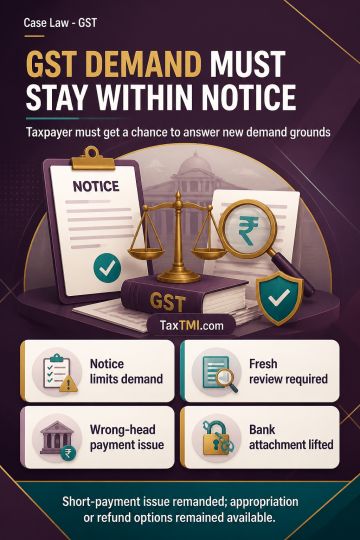
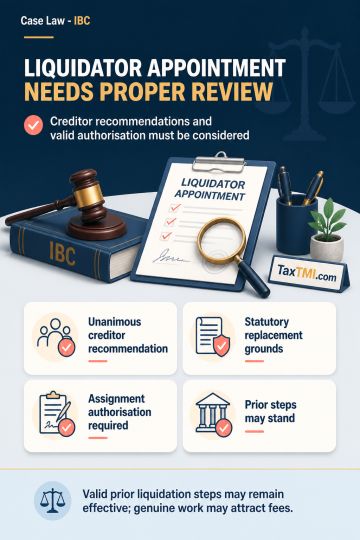
Liquidator appointment under Section 34 requires consideration of creditor recommendations, valid professional authorisation, and preservation of vali...
Income-tax exemption for specified regulatory fees and government grants applies subject to non-commercial activity and continuing compliance conditio...
Digital accessibility audit and remediation deadlines extended, while all other disability-compliance obligations for regulated entities remain unchan...
CESTAT allows the appeal, sets aside the impugned order and remands the matter to the first appellate authority for fresh adjudication. The Tribunal found the impugned conditions and the reversal of the amendment unsustainable insofar as they rest on an undetermined premise whether the relevant bill of lading was "non-negotiable" and whether a no-objection or deemed-warehousing permission under ss. 47-49 and s.30 of the Customs Act was required or granted. The first appellate authority erred in deferring duty payment and regularizing retention without record of statutory permission and without first determining its competence and the nature of the bill of lading; those issues are to be decided afresh.
CESTAT allows the appeal, sets aside the impugned order and remands the matter to the first appellate authority for fresh adjudication. The Tribunal found the impugned conditions and the reversal of the amendment unsustainable insofar as they rest on an undetermined premise whether the relevant bill of lading was "non-negotiable" and whether a no-objection or deemed-warehousing permission under ss. 47-49 and s.30 of the Customs Act was required or granted. The first appellate authority erred in deferring duty payment and regularizing retention without record of statutory permission and without first determining its competence and the nature of the bill of lading; those issues are to be decided afresh.
Note: It is a system-generated summary and is for quick reference only.
 TaxTMI
 of 4796










 Join Channel


 TaxTMI