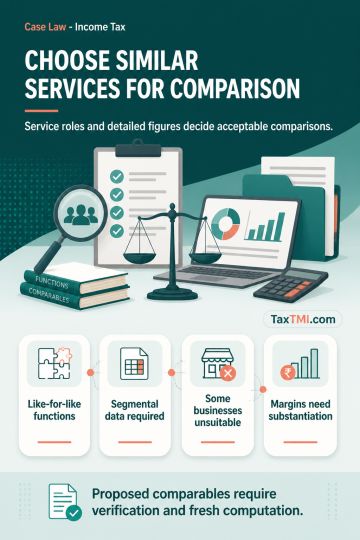
Functional comparability governs selection of support-service and IT-enabled service comparables, with verification required for unresolved data and m...
Bank account freezing requires statutory authority; anti-money-laundering compliance and KYC monitoring do not permit unilateral indefinite restrictio...
The ITAT allowed the appellant's appeal, set aside the orders of the lower authorities and directed that tax be computed at normal slab rates rather than the maximum marginal rate. The Tribunal held that the entity, being an unregistered religious trust for the relevant year and having filed Form-5 declaring income of Rs.1,50,272, fell within the threshold exemption of Rs.2,50,000 applicable to an AOP of its class; therefore section 164(2) (invoking MMR) was inapplicable. Section 164(3)(a) governs the present facts. The CPC's levy of MMR was held erroneous and all grounds raised by the appellant were allowed.
The ITAT allowed the appellant's appeal, set aside the orders of the lower authorities and directed that tax be computed at normal slab rates rather than the maximum marginal rate. The Tribunal held that the entity, being an unregistered religious trust for the relevant year and having filed Form-5 declaring income of Rs.1,50,272, fell within the threshold exemption of Rs.2,50,000 applicable to an AOP of its class; therefore section 164(2) (invoking MMR) was inapplicable. Section 164(3)(a) governs the present facts. The CPC's levy of MMR was held erroneous and all grounds raised by the appellant were allowed.
Note: It is a system-generated summary and is for quick reference only.
 TaxTMI
  TaxTMI
 of 4828















 Join Channel