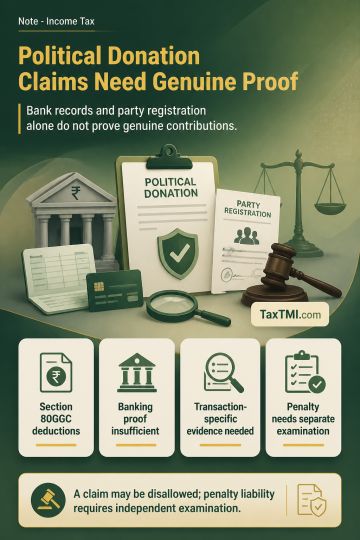
Political contribution deductions require genuine transactions; banking records and party registration alone cannot defeat evidence of accommodation e...
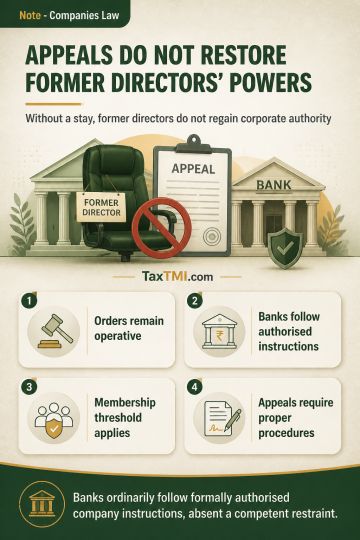
Post-death GST liability permits fresh proceedings against legal representatives, while discontinued-business recovery remains limited to the inherite...
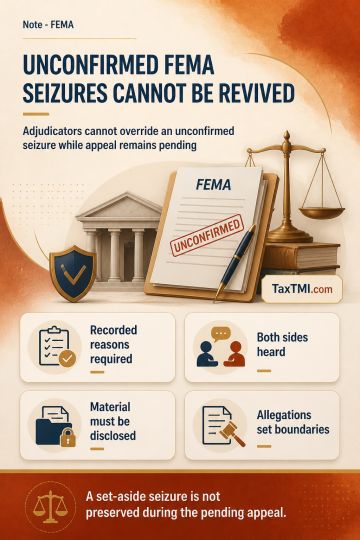
Non-confirmation of FEMA seizure prevents adjudicators from overriding pending appellate findings on recorded reasons and suspected foreign asset hold...
ITAT allowed the appeal and directed the AO to grant TDS credit to the anonymized assessee within 60 days. The Tribunal concluded that TDS is an onerous statutory obligation of the payer and, notwithstanding the employer's entry into CIRP and resultant moratorium under IBC s.9, the employee who produces conclusive evidence of salary deduction cannot be denied credit because the employer failed to deposit TDS. The Tribunal observed that civil consequences such as penalty and prosecution against the responsible officer remain available against the payer, but revenue's inaction cannot prejudice the assessee's right to credit. The appeal was allowed and relief granted as directed.
ITAT allowed the appeal and directed the AO to grant TDS credit to the anonymized assessee within 60 days. The Tribunal concluded that TDS is an onerous statutory obligation of the payer and, notwithstanding the employer's entry into CIRP and resultant moratorium under IBC s.9, the employee who produces conclusive evidence of salary deduction cannot be denied credit because the employer failed to deposit TDS. The Tribunal observed that civil consequences such as penalty and prosecution against the responsible officer remain available against the payer, but revenue's inaction cannot prejudice the assessee's right to credit. The appeal was allowed and relief granted as directed.
Note: It is a system-generated summary and is for quick reference only.
 TaxTMI
  TaxTMI
 of 4918