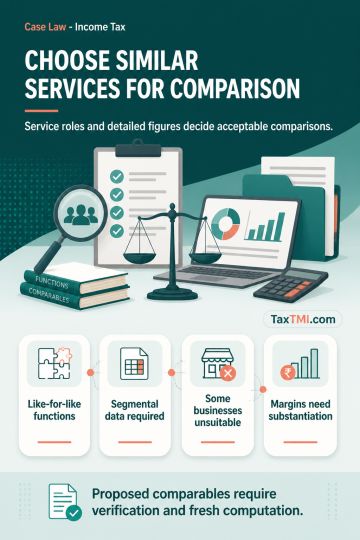
Functional comparability governs selection of support-service and IT-enabled service comparables, with verification required for unresolved data and m...
Bank account freezing requires statutory authority; anti-money-laundering compliance and KYC monitoring do not permit unilateral indefinite restrictio...
ITAT allowed the appeal and directed the AO to grant TDS credit to the anonymized assessee within 60 days. The Tribunal concluded that TDS is an onerous statutory obligation of the payer and, notwithstanding the employer's entry into CIRP and resultant moratorium under IBC s.9, the employee who produces conclusive evidence of salary deduction cannot be denied credit because the employer failed to deposit TDS. The Tribunal observed that civil consequences such as penalty and prosecution against the responsible officer remain available against the payer, but revenue's inaction cannot prejudice the assessee's right to credit. The appeal was allowed and relief granted as directed.
ITAT allowed the appeal and directed the AO to grant TDS credit to the anonymized assessee within 60 days. The Tribunal concluded that TDS is an onerous statutory obligation of the payer and, notwithstanding the employer's entry into CIRP and resultant moratorium under IBC s.9, the employee who produces conclusive evidence of salary deduction cannot be denied credit because the employer failed to deposit TDS. The Tribunal observed that civil consequences such as penalty and prosecution against the responsible officer remain available against the payer, but revenue's inaction cannot prejudice the assessee's right to credit. The appeal was allowed and relief granted as directed.
Note: It is a system-generated summary and is for quick reference only.
 TaxTMI
  TaxTMI
 of 4828










 Join Channel