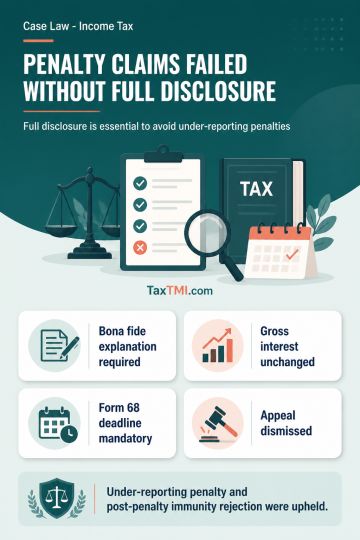
Bona fide disclosure requirements govern under-reporting penalties, and post-penalty immunity applications cannot secure available statutory protectio...
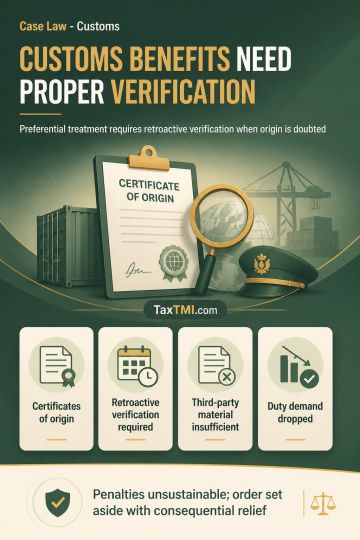
Certificate-of-origin verification procedure governs preferential customs benefits; denial without retroactive verification was set aside with consequ...
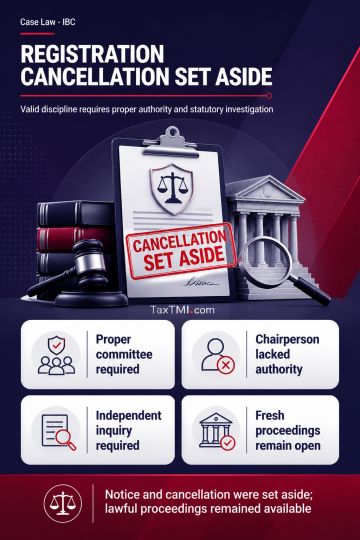
Disciplinary Committee jurisdiction and mandatory investigation requirements invalidated cancellation of an insolvency professional's registration and...
HC dismissed the writ petition and relegated the petitioner to the statutory appellate remedy under the GST Act, holding that disputed claims of fraudulent input tax credit and counter-allegations involve contested questions of fact requiring document-centric fact-finding by the competent appellate authority rather than judicial resolution in a writ jurisdiction. Noting the petitioner deposited 10% of the disputed tax during proceedings, the HC directed that the appellate authority shall admit and decide the appeal without being inhibited by limitation, and that the period during which the writ was pending be excluded from limitation computation, thereby permitting the petitioner to prosecute the appeal on merits before the appellate forum.
HC dismissed the writ petition and relegated the petitioner to the statutory appellate remedy under the GST Act, holding that disputed claims of fraudulent input tax credit and counter-allegations involve contested questions of fact requiring document-centric fact-finding by the competent appellate authority rather than judicial resolution in a writ jurisdiction. Noting the petitioner deposited 10% of the disputed tax during proceedings, the HC directed that the appellate authority shall admit and decide the appeal without being inhibited by limitation, and that the period during which the writ was pending be excluded from limitation computation, thereby permitting the petitioner to prosecute the appeal on merits before the appellate forum.
Note: It is a system-generated summary and is for quick reference only.
 TaxTMI
 of 4805








 Join Channel


 TaxTMI
