Jurisdictional facts in certificate-of-origin discrepancies can support customs show-cause proceedings, leaving factual explanations for departmental ...
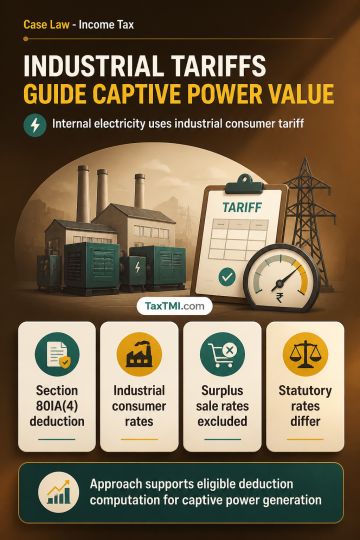
Market value for captive electricity consumption follows industrial consumer tariffs, supporting profit computation for the power generation deduction...
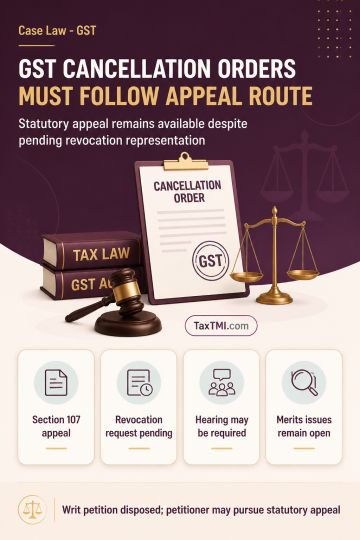
HC dismissed the writ petition and relegated the petitioner to the statutory appellate remedy under the GST Act, holding that disputed claims of fraudulent input tax credit and counter-allegations involve contested questions of fact requiring document-centric fact-finding by the competent appellate authority rather than judicial resolution in a writ jurisdiction. Noting the petitioner deposited 10% of the disputed tax during proceedings, the HC directed that the appellate authority shall admit and decide the appeal without being inhibited by limitation, and that the period during which the writ was pending be excluded from limitation computation, thereby permitting the petitioner to prosecute the appeal on merits before the appellate forum.
HC dismissed the writ petition and relegated the petitioner to the statutory appellate remedy under the GST Act, holding that disputed claims of fraudulent input tax credit and counter-allegations involve contested questions of fact requiring document-centric fact-finding by the competent appellate authority rather than judicial resolution in a writ jurisdiction. Noting the petitioner deposited 10% of the disputed tax during proceedings, the HC directed that the appellate authority shall admit and decide the appeal without being inhibited by limitation, and that the period during which the writ was pending be excluded from limitation computation, thereby permitting the petitioner to prosecute the appeal on merits before the appellate forum.
Note: It is a system-generated summary and is for quick reference only.
 TaxTMI
 of 4805















 Join Channel


 TaxTMI