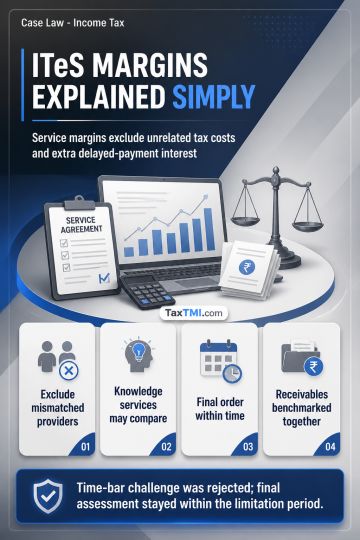
Transfer-pricing treatment of ITeS margins excludes pass-through tax recoveries and separate delayed-receivables interest after working-capital adjust...
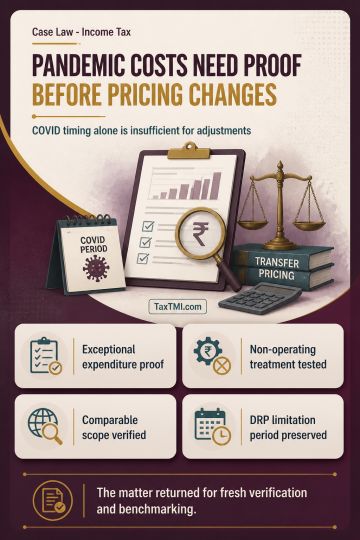
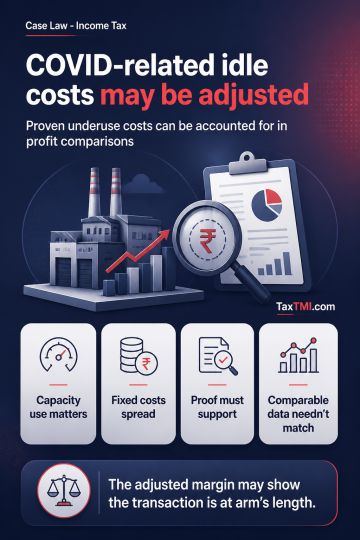
Capacity-utilisation adjustments under TNMM can neutralise substantiated COVID-related idle costs where underutilisation materially affects profitabil...
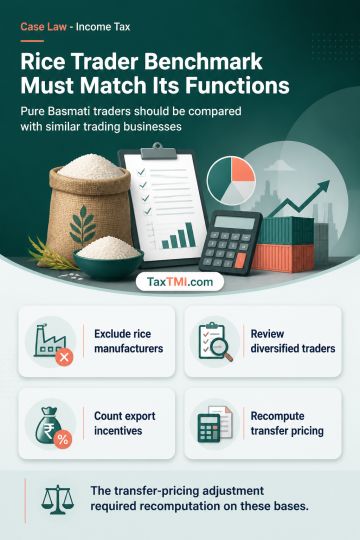
TNMM functional comparability requires excluding rice manufacturers from a pure Basmati rice trader's benchmark and recognising operating export recei...
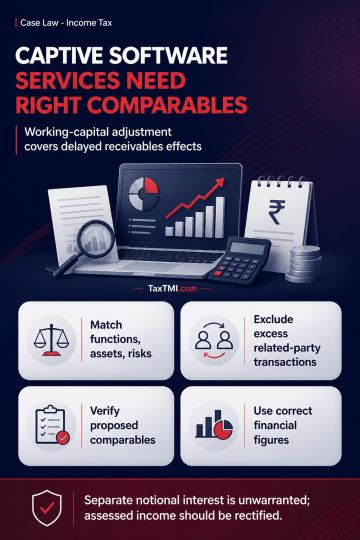
Working-capital adjustment subsumes delayed-receivable effects in TNMM benchmarking of captive software-development services, avoiding separate notion...
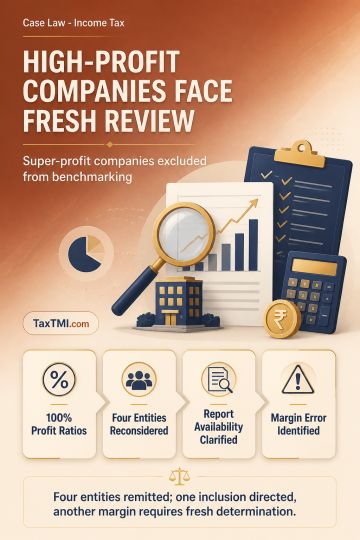
Transfer-pricing comparability requires exclusion of financially illogical super-profit comparables and correction of unsupported annual-report and ma...
Charitable character assessment preserves Section 80G approval despite inclusive spiritual teachings and incidental religious expenditure within the s...
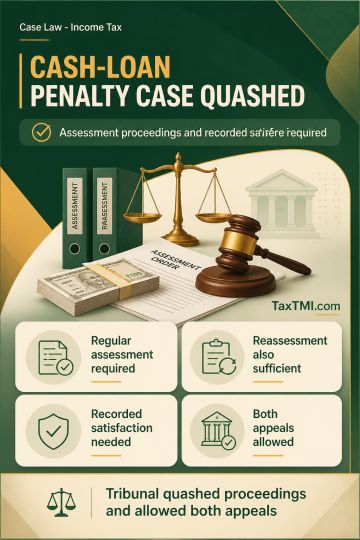
Penalty proceedings for cash-loan acceptance require assessment proceedings and recorded Assessing Officer satisfaction; absent these, the proceedings...
Page of 4828
Press 'Enter' after typing page number.
161 to 180 of 96556 Results
❮
❯
❯❯
0 / 200
Expand Note
Add to Folder
No Folders have been created
+
Are you sure you want to delete "My most important" ?
The Supreme Court upheld a resolution plan worth Rs 19,700 crore by the successful resolution applicant for a corporate debtor, rejecting appeals by its former promoters and finding they engaged in systematic delay tactics to thwart the corporate insolvency resolution process. The court affirmed earlier NCLAT and NCLT findings that the erstwhile management showed lackluster participation, filed multiple frivolous applications across forums, and attended Committee of Creditors meetings minimally; the NCLT had imposed costs on them. The judgment also preserved immunity from prosecution by the investigative agency for the successful resolution applicant.
The Supreme Court upheld a resolution plan worth Rs 19,700 crore by the successful resolution applicant for a corporate debtor, rejecting appeals by its former promoters and finding they engaged in systematic delay tactics to thwart the corporate insolvency resolution process. The court affirmed earlier NCLAT and NCLT findings that the erstwhile management showed lackluster participation, filed multiple frivolous applications across forums, and attended Committee of Creditors meetings minimally; the NCLT had imposed costs on them. The judgment also preserved immunity from prosecution by the investigative agency for the successful resolution applicant.
Note: It is a system-generated summary and is for quick reference only.
 TaxTMI
  TaxTMI
 of 4828





 Join Channel