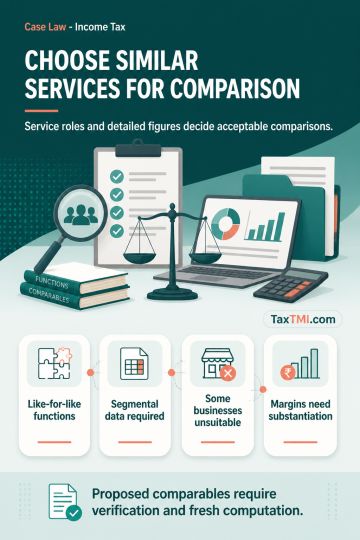
Functional comparability governs selection of support-service and IT-enabled service comparables, with verification required for unresolved data and m...
Bank account freezing requires statutory authority; anti-money-laundering compliance and KYC monitoring do not permit unilateral indefinite restrictio...
The Supreme Court upheld a resolution plan worth Rs 19,700 crore by the successful resolution applicant for a corporate debtor, rejecting appeals by its former promoters and finding they engaged in systematic delay tactics to thwart the corporate insolvency resolution process. The court affirmed earlier NCLAT and NCLT findings that the erstwhile management showed lackluster participation, filed multiple frivolous applications across forums, and attended Committee of Creditors meetings minimally; the NCLT had imposed costs on them. The judgment also preserved immunity from prosecution by the investigative agency for the successful resolution applicant.
The Supreme Court upheld a resolution plan worth Rs 19,700 crore by the successful resolution applicant for a corporate debtor, rejecting appeals by its former promoters and finding they engaged in systematic delay tactics to thwart the corporate insolvency resolution process. The court affirmed earlier NCLAT and NCLT findings that the erstwhile management showed lackluster participation, filed multiple frivolous applications across forums, and attended Committee of Creditors meetings minimally; the NCLT had imposed costs on them. The judgment also preserved immunity from prosecution by the investigative agency for the successful resolution applicant.
Note: It is a system-generated summary and is for quick reference only.
 TaxTMI
  TaxTMI
 of 4828






 Join Channel