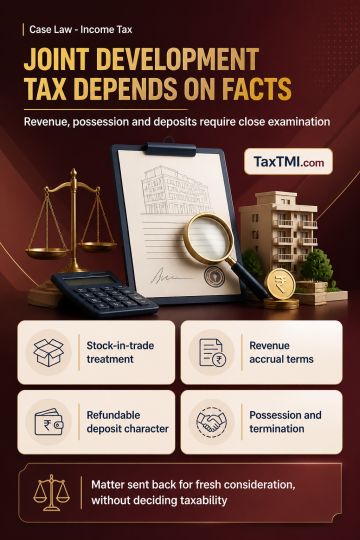
Overlapping GST proceedings require Central and State authorities to designate one competent authority for coordinated adjudication of the same matter...
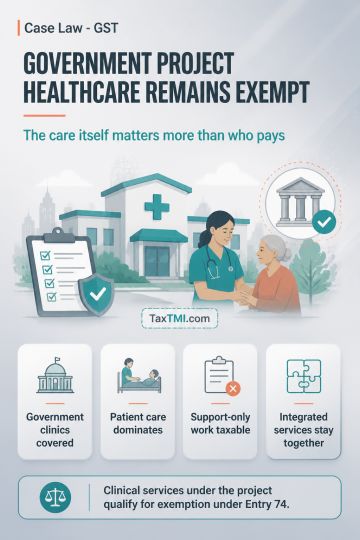
Composite healthcare supplies retain exemption when patient care is the contract's essential character, despite payment through an implementing agency...
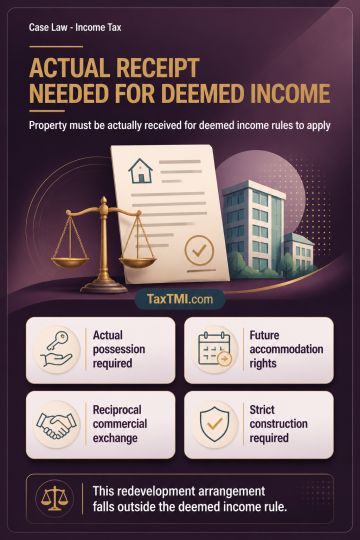
Receipt of immovable property requires actual possession or enjoyment; redevelopment allotments exchanged for tenancy rights fall outside deemed incom...
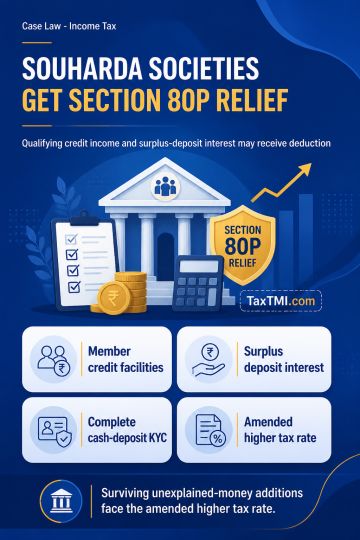
Section 80P deduction covers Souharda credit societies, including qualifying surplus-deposit interest, subject to member KYC verification for cash dep...
The ITAT allowed the appeal, holding the assessing officer's...
Adhoc 30% disallowance of referral commissions set aside; payments treated as sales promotion, not insurance commissions under s.194D; s.40(a)(ia) relief
Contents
Summary
Note
Bookmark
Share
✓ Copied successfully !
Print
Print Options
For full text, please login
Login to TaxTMI
Verification Pending
The Email Id has not been verified. Click on the link we have sent on
The ITAT allowed the appeal, holding the assessing officer's adhoc 30% disallowance of referral commissions unsustainable for lack of evidentiary basis and rational nexus; documentary evidence and statutory summons responses established payment to 14 individuals. Further, the Tribunal held payments constituted sales promotion/referral expenses and were not insurance commissions within section 194D, as the payees were not insurer-appointed agents and no principal-agent relationship with insurers existed. At most the payments could fall under sections 194H or 194C, but deduction obligations did not arise given the payer's status and receipts below statutory thresholds. Consequently, disallowances under section 40(a)(ia) were set aside.
The ITAT allowed the appeal, holding the assessing officer's adhoc 30% disallowance of referral commissions unsustainable for lack of evidentiary basis and rational nexus; documentary evidence and statutory summons responses established payment to 14 individuals. Further, the Tribunal held payments constituted sales promotion/referral expenses and were not insurance commissions within section 194D, as the payees were not insurer-appointed agents and no principal-agent relationship with insurers existed. At most the payments could fall under sections 194H or 194C, but deduction obligations did not arise given the payer's status and receipts below statutory thresholds. Consequently, disallowances under section 40(a)(ia) were set aside.
Note: It is a system-generated summary and is for quick reference only.
 TaxTMI
 of 4803




 Join Channel


 TaxTMI