Specified development authority income receives retrospective tax exemption, subject to non-commercial activity, unchanged income sources, and return-...
Unified Brand India framework introduces voluntary Trust Mark certification and funding support for export branding, packaging and global promotional ...
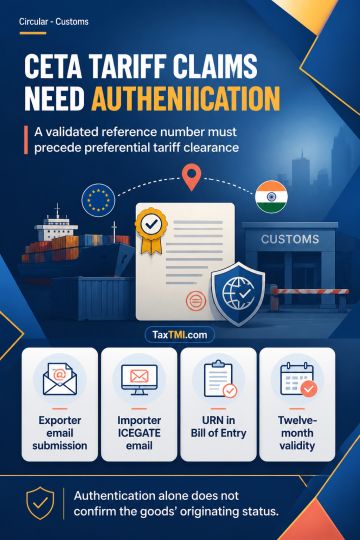
Origin Declaration authentication governs preferential tariff claims under India-UK CETA, requiring a validated reference number before import clearan...
Separate assessment orders for different years remain valid when distinct notices and hearing opportunities prevent prejudice from combined proceeding...
Defined public benefit can retain charitable character; registration renewal requires examining genuine activities and legal compliance, not surplus a...
Capital reduction is distinct from share buy-back, preventing buy-back tax; restructuring interest and related business deductions also survive scruti...
AT dismissed the appeal challenging a provisional attachment order under the PMLA, holding that the impugned properties constituted proceeds of crime derived from scheduled offences involving fraudulent loan obtainment. The Tribunal found the underlying decree was obtained ex parte, the bank suffered pecuniary loss, and a prima facie quid pro quo nexus existed through a contrived chain of transfers among interconnected accounts. Transfers to an intermediary and subsequent conveyance to the Appellant were held to be sham, with consideration routed back the same day, evidencing an attempt to disguise illicit receipts. Consequently the attachment was sustained as lawful and the appellate challenge unsustainable, and the appeal was dismissed.
AT dismissed the appeal challenging a provisional attachment order under the PMLA, holding that the impugned properties constituted proceeds of crime derived from scheduled offences involving fraudulent loan obtainment. The Tribunal found the underlying decree was obtained ex parte, the bank suffered pecuniary loss, and a prima facie quid pro quo nexus existed through a contrived chain of transfers among interconnected accounts. Transfers to an intermediary and subsequent conveyance to the Appellant were held to be sham, with consideration routed back the same day, evidencing an attempt to disguise illicit receipts. Consequently the attachment was sustained as lawful and the appellate challenge unsustainable, and the appeal was dismissed.
Note: It is a system-generated summary and is for quick reference only.
 TaxTMI
 of 4805















 Join Channel


 TaxTMI
