Prolonged sterilisation of development rights supports capital-gains treatment, while business-income disallowances cannot govern capital-gains comput...
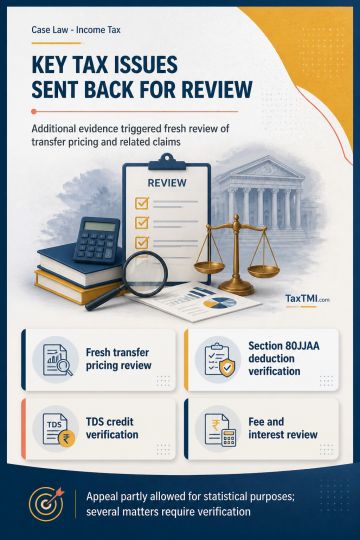
Additional evidence in transfer pricing dispute leads to fresh examination, while tax deductions, TDS credit, fee and refund interest require verifica...
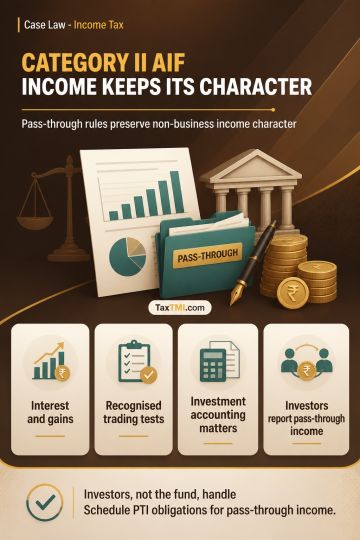
Category II AIF pass-through taxation preserves non-business income character; investment receipts cannot be reclassified without applying recognised ...
Mutual fund maturity rules require proper rollover, redemption, disclosure, and due diligence; investor gains cannot excuse regulatory breaches or pen...
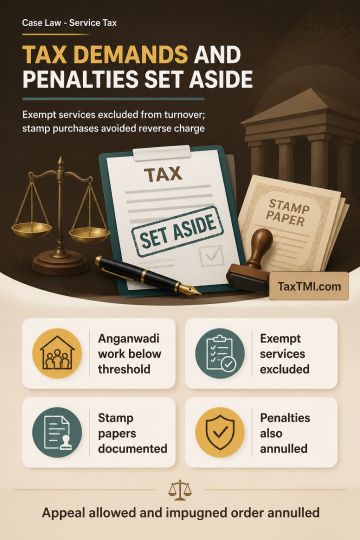
Threshold exemption excludes exempt services, while stamp-paper purchases avoid reverse charge; consequential service tax penalties were also set asid...
CESTAT held that the demand for service tax on amounts received up to 30.06.2012 from the State-affiliated urban improvement trust cannot be sustained because the trust did not fall within the statutory definition of "person" operative before 01.07.2012; accordingly that portion of the demand was set aside. For the period July 2012-March 2015 the Tribunal upheld the demand, finding the trust's sale of EWS/LIG flats to be a commercial supply not covered by the notified exemption and that the appellant was not entitled to reliance on Notification No.25/2012; however, taxable events were to be quantified by dates of payment under the continuous-supply principle. Extended-period invocation was rejected and penalties were set aside; the impugned order was modified and the appeal allowed.
CESTAT held that the demand for service tax on amounts received up to 30.06.2012 from the State-affiliated urban improvement trust cannot be sustained because the trust did not fall within the statutory definition of "person" operative before 01.07.2012; accordingly that portion of the demand was set aside. For the period July 2012-March 2015 the Tribunal upheld the demand, finding the trust's sale of EWS/LIG flats to be a commercial supply not covered by the notified exemption and that the appellant was not entitled to reliance on Notification No.25/2012; however, taxable events were to be quantified by dates of payment under the continuous-supply principle. Extended-period invocation was rejected and penalties were set aside; the impugned order was modified and the appeal allowed.
Note: It is a system-generated summary and is for quick reference only.
 TaxTMI
 of 4805










 Join Channel


 TaxTMI
